Is Tesla Halting FSD Sales to Evade California’s Ad Ban?

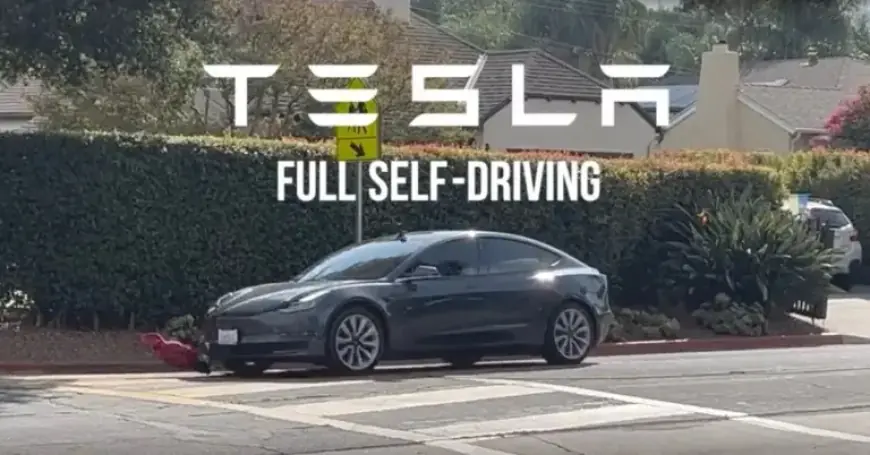
Tesla has made a significant shift in its sales strategy for its Full Self-Driving software package. Effective February 14, the company will transition to a subscription-only model instead of the traditional one-time fee. This change coincides with a court ruling that could impact Tesla’s ability to sell cars in California due to advertising practices related to its autonomy claims.
Background on Tesla’s FSD and Autopilot
Since 2016, Tesla has marketed its Full Self-Driving (FSD) software, which the company describes as a level 2 driver assist system. Despite its name, FSD does not enable Tesla vehicles to operate autonomously. Tesla also offers a feature called Autopilot, which suggests a degree of automation but does not indicate full self-driving capabilities.
California Court Ruling
On December 17, a California judge ruled against Tesla’s marketing of its FSD and Autopilot systems. The court found the descriptions misleading and ordered the company to change its advertising within 60 days. This ruling will take effect on February 14, 2026, the same day Tesla is set to implement its new subscription model for FSD.
Implications of the Subscription Model
Under the new subscription model, Tesla plans to continue marketing FSD using the same branding. Notably, the ruling did not specifically prohibit the use of the term “Full Self-Driving,” even though it called the title misleading. However, transitioning to a subscription model does not inherently address the court’s concerns regarding deceptive marketing practices.
Possible Reasons Behind the Change
- Avoiding Legal Issues: The timing of the subscription model announcement raises questions about whether Tesla is attempting to comply with the California ruling.
- Stock Incentives: CEO Elon Musk’s compensation package, which may require a specific number of FSD subscriptions, could motivate this shift.
- Software Transfers: A subscription model would simplify issues surrounding the transfer of FSD licenses between vehicles, a significant customer pain point.
Future Considerations
The immediate implications of Tesla’s transition to a subscription-only model remain uncertain. While it may alleviate some liability concerns for the company, it does not fully resolve the issues identified by the court ruling. As February 14 approaches, further developments regarding Tesla’s autonomy features and marketing practices are anticipated.
The intersection of legal scrutiny, customer expectations, and company strategy makes this a pivotal moment for Tesla as it navigates the challenges of marketing its autonomous technologies effectively while maintaining compliance with regulatory requirements.