
























Windows 12 Reportedly Modular, AI-First and Set to Require 40 TOPS NPU

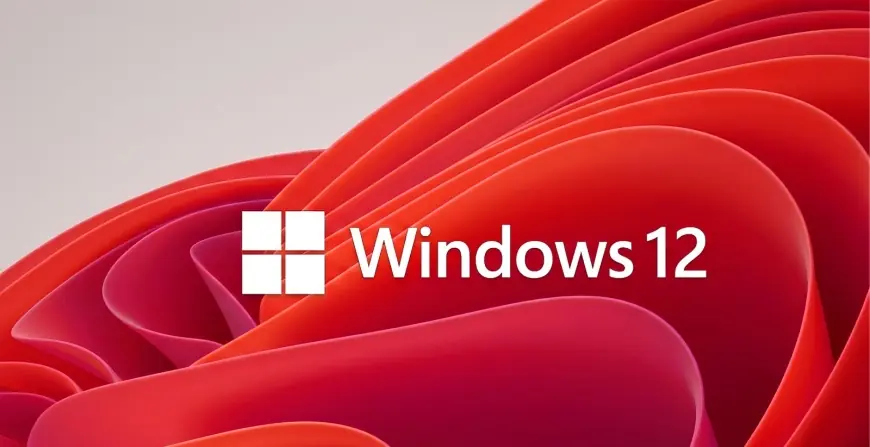
Windows 12 is being described in leaks and internal references as a modular, subscription-leaning, AI-focused operating system that would require a dedicated neural processing unit with at least 40 TOPS of computing power, a shift timed to coincide with the end of Windows 10 support in October 2026.
Windows 12 headed toward AI PCs with a 40 TOPS NPU requirement
Multiple technology briefs and hardware positioning notes point to a minimum NPU benchmark of 40 TOPS for full functionality, with manufacturers already preparing chips and labelling some systems as "Windows 12 Ready. " The 40 TOPS figure and the dedicated NPU requirement are presented as necessary to run system-wide AI features and an upgraded Copilot that becomes central to the OS experience.
Hudson Valley Next and the CorePC modular architecture
The project name "Hudson Valley Next" recurs in internal references tied to a CorePC modular design that would let users add or remove components and scale editions for tablets, gaming rigs and high-performance PCs. CorePC aims to isolate system components more strongly, deliver more granular updates, and mix local and cloud processing for AI workloads—an architecture described as the backbone of the new release window planned around 2026 and the October 2026 end of Windows 10 support.
Copilot centralization, subscription features and a redesigned interface
Copilot is expected to evolve from an optional assistant into a central control instance, with OS-wide integration for context-dependent task recommendations, real-time summaries, automatic content generation and semantic file search by description. Visual leaks point to a floating taskbar with rounded corners, transparent glass elements and a prominent top-center search bar that places Copilot at the center of interaction—changes that accompany references in code to subscription or premium AI services.
Manufacturers are already framing the transition: Intel and AMD are presenting AI-accelerated processors, and OEMs are tagging new devices as ready for the upgrade cycle. Windows 11 is expected to continue receiving updates in parallel while a gradual switch to the new system takes place, and some machines without an NPU may be limited in which AI features they receive or be excluded from the full upgrade path.
Leaks outline a phased rollout scenario that begins with insider previews and an official presentation before a broad release in the course of 2026. With Windows 10 support scheduled to end in October 2026, the timeline creates a clear checkpoint for enterprise and consumer refresh cycles; Windows 11 support will run alongside the transition.
The next milestone to watch is the series of insider previews and the eventual presentation that sources point to in 2026, with the industry gearing for hardware badges and system labels ahead of the October 2026 transition date.