American CEOs Gently Challenge Trump’s Policies

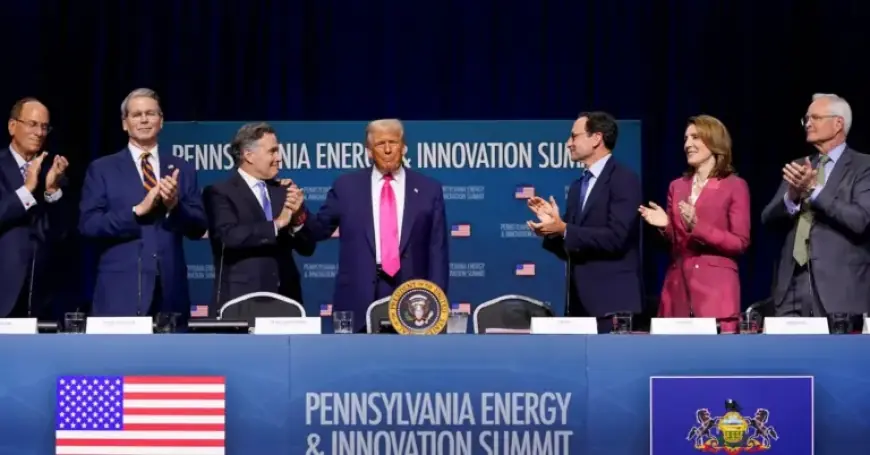
Prominent American CEOs are subtly expressing their concerns regarding the economic policies of President Donald Trump. During a recent speech, U.S. Chamber of Commerce CEO Suzanne Clark called for business leaders to champion free markets while advocating for an open global economy. Her remarks, made at an event in mid-January, hinted at a critique of Trump’s interventionist approach to business.
Business Leaders Heed Caution
Clark’s comments reflect a broader hesitance among CEOs to publicly challenge Trump’s policies due to potential backlash. Analysts reveal that many corporate leaders fear repercussions for dissenting opinions. Although several CEOs have offered measured critiques, they have primarily focused on issues directly affecting their industries, like Exxon’s Darren Woods discussing Venezuela’s uninvestability.
Fear of Retaliation
Richard Painter, a law professor at the University of Minnesota and former chief ethics lawyer for George W. Bush, noted that business leaders appear to avoid confrontational stances concerning Trump’s authoritarian tendencies. He expressed a desire for stronger opposition from business executives, preferring they actively speak out against governmental coercion.
- Trump’s administration has engaged in actions including:
- Taking stakes in tech firms.
- Imposing tariffs detrimental to free trade.
- Restricting immigration policies opposed by business leaders.
Mark Levine, New York City’s new Comptroller, supported this perspective, stating that CEOs seem hesitant to openly criticize Trump unless their businesses are directly impacted. “Capitalism cannot thrive under a president with autocratic tendencies,” Levine emphasized.
Mixed Reactions from Corporate Giants
Despite limited critiques, a few major CEOs have scrutinized Trump’s economic strategies. For instance, Jamie Dimon from JPMorgan supported Federal Reserve Chair Jerome Powell, amidst Trump’s interference with the Fed, warning that such meddling could lead to inflation issues. Additionally, Alberto Bourla, CEO of Pfizer, expressed frustration over regulatory changes regarding vaccinations.
Changing Landscape of Lobbying
A recent survey by the Conference Board highlighted that uncertainty is a significant concern for U.S. CEOs heading into 2026. Dana Peterson, the chief economist at the Conference Board, noted that executives recognize the altered dynamics of lobbying in the current political climate.
Gary Clyde Hufbauer from the Peterson Institute for International Economics stated that CEOs may be moderating their public statements to stay on favorable terms with Trump and his policies. However, lack of public pushback risks creating a landscape for heavier regulations post-Trump.
As the discourse continues, it remains essential for business leaders to navigate their roles carefully while promoting principles that align with their vision for American capitalism.