Trump’s Push to Oust Powell Fizzles; Fed Chairman Likely to Stay

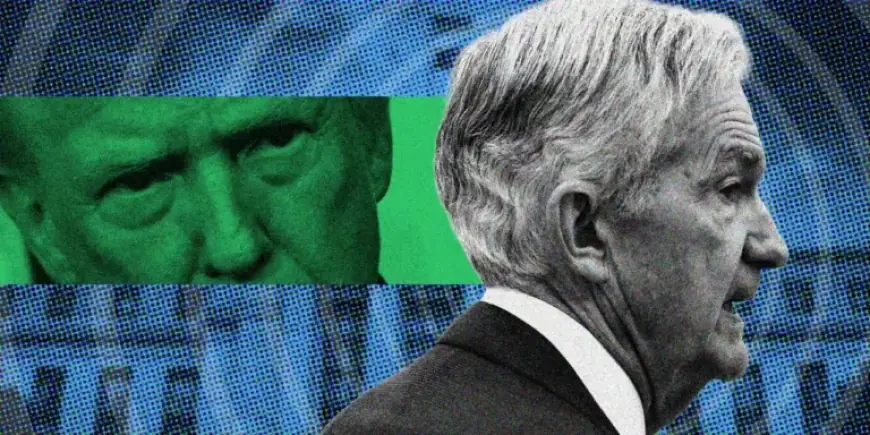
Donald Trump’s recent efforts to remove Federal Reserve Chairman Jerome Powell have proven ineffective. As a result, Powell is likely to remain in his influential position. This article explores the dynamics between Trump and Powell, as well as the implications for the Federal Reserve.
Trump’s Attempt to Oust Powell
Former President Trump has been vocal in his criticism of Powell. He expressed dissatisfaction with Powell’s economic policies, particularly concerning interest rates. There were speculations that Trump would push for Powell’s resignation, especially during the tumultuous events leading up to the end of his presidency.
Federal Reserve’s Resilience
Despite Trump’s attempts, Powell’s tenure appears secure. The Federal Reserve, known for its independence, usually resists political influence. As markets respond to economic indicators, Powell’s leadership is essential in guiding monetary policy.
Reasons for Powell’s Likely Continuation
- Independence of the Federal Reserve
- Support from key policymakers
- Stability within financial markets
Powell’s careful management of interest rates and inflation has garnered respect. His focus aligns with maintaining economic stability, which is vital for national interests.
Implications for Future Policies
The tension between political figures and the Federal Reserve can have far-reaching effects. Trump’s attempts to interfere with the Fed’s operation might backfire, leading to a strengthened resolve in maintaining its independence. As economic challenges persist, the role of the Federal Reserve will be crucial in navigating through uncertainties.
In conclusion, Trump’s push to oust Powell has largely fizzled. With Powell likely to stay at the helm, the Federal Reserve will continue to operate with its traditional level of autonomy, focusing on its mandate to foster economic stability.