Man U Dismisses Manager, Revealing Deeper Organizational Issues – ABC Asia

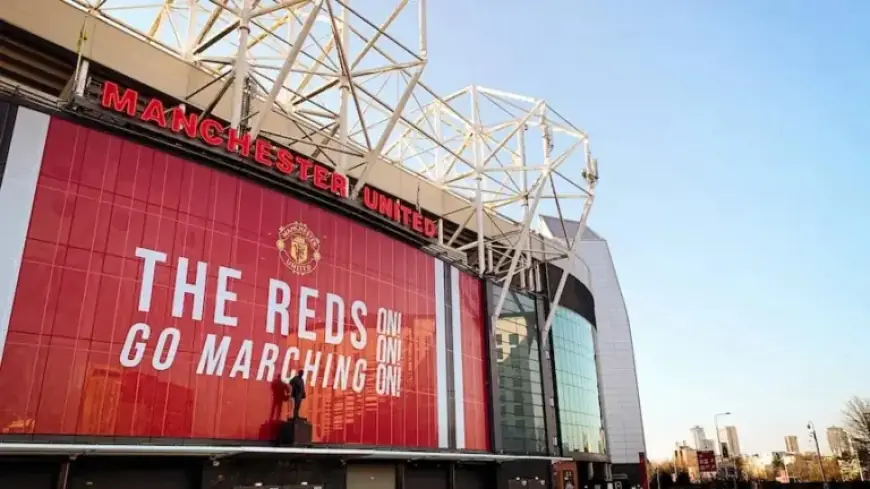
Manchester United’s recent dismissal of manager Ruben Amorim highlights ongoing organizational challenges within the club. Once a formidable force in global football, the club’s struggles extend beyond the pitch and into its management practices.
Manchester United’s Management Challenges
The sacking of Amorim comes amid inconsistent team performances and results. However, focusing solely on his departure overlooks deeper issues at Manchester United. The club’s operational model has become increasingly ineffective due to repeated cycles of managerial turnover.
The Role of Ownership and Management Structure
The acquisition of a stake by billionaire Sir Jim Ratcliffe’s company, Ineos, was intended to bring about a new era of governance. A promise was made to invest significantly in infrastructure and to return Manchester United to the pinnacle of English and European football. Unfortunately, this vision appears to be faltering.
- Delay in establishing a coherent approach to football management.
- Frequent managerial changes disrupt long-term objectives.
- Disconnect between recruitment strategy and managerial philosophy.
Cycles of Dismissals and Financial Consequences
Manchester United’s cycle begins with appointing a “project” manager, yet performance often leads to premature outcomes. The dismissal of Amorim, who had 18 months left on his contract, is projected to cost the club around £12 million in compensation. Since 2014, managerial changes have cumulatively cost close to £100 million.
Impact on Recruitment and Player Perception
These ongoing changes impact Manchester United’s reputation among elite players. The uncertainty surrounding the club compromises its ability to attract top talent, as players are increasingly viewing it as a risky venture.
Financial Implications of Strategic Missteps
Missing opportunities in prestigious tournaments like the UEFA Champions League can have severe financial repercussions. Participation can generate up to £100 million per season for clubs that advance in the competition. Unlike its historical success, Manchester United is now trailing behind rivals like Real Madrid, Barcelona, and Liverpool both on and off the pitch.
Efforts towards growth remain stymied. Until Manchester United clarifies its footballing vision and develops a cohesive management structure, the cycle of managerial changes and instability is likely to persist.
In conclusion, the problems at Manchester United are deeply rooted. Correcting these issues will take more than appointing a new manager; it will require a strategic overhaul of their operational framework.