Ralph Fiennes Shines in Gory Romp: ’28 Years Later: The Bone Temple’ Review

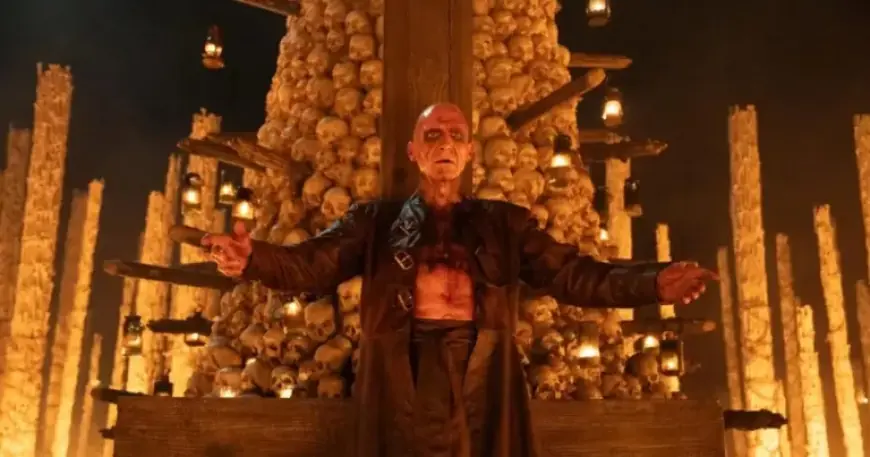
“28 Years Later: The Bone Temple,” the latest installment in the popular zombie franchise, brings a blend of horror and thought-provoking themes to the big screen. Directed by Nia DaCosta, the film continues the story from its predecessors and introduces new characters and complexities.
Overview of the Film
Ralph Fiennes stars as Dr. Ian Kelson, a captivating character who encapsulates the film’s dark humor and gruesome visuals. The narrative unfolds in a post-apocalyptic United Kingdom, devastated by a rage virus pandemic first depicted in “28 Days Later,” released in 2002. This new entry does not stand alone; it builds on the dire backdrop established by previous films.
Key Character: Dr. Ian Kelson
- Dr. Kelson is a survivor, embodying the struggle of humanity in a collapsed society.
- His eccentricity is showcased as he decorates a mound of skulls in the Scottish Highlands.
- The character acts as a metaphor for the isolation and loneliness experienced during societal breakdown.
The Cultural Context
The setting reflects modern-day anxieties. Much like the events of September 11, 2001, shaped perceptions of safety, this film mirrors the societal collapse resulting from the pandemic and Brexit. It explores humanity’s resilience and inherent darkness.
New Characters and Themes
This installment introduces a younger generation represented by a character named Spike, played by Alfie Williams. Raised isolated from the chaos, Spike’s interactions with a group of adolescents known as the Jimmies highlight a disturbing blend of innocence and violence.
- The Jimmies are led by Jimmy, who embraces a twisted version of leadership and belief.
- They have crafted a cult-like community, mixing dark humor and brutality, which lends to the film’s unsettling tone.
- Presence of humor amidst horror is accentuated through absurd dialogue and bizarre ceremonies.
Director’s Approach
Nia DaCosta, known for her work on “Candyman,” brings a fresh perspective to the franchise. Her direction is marked by a shift in visual style and pacing, moving from fast cuts to a more classical cinematic approach.
Visuals and Cinematic Techniques
- The cinematography has evolved, featuring professional-grade cameras and a more steady pace.
- Musical elements have been revamped, transitioning from an electronica score to live orchestral pieces, enhancing the emotional depth.
Critical Reception and Themes of the Film
“28 Years Later: The Bone Temple” mixes horror with intellectual discourse, leaving audiences to ponder the larger themes of civilization and morality. Though critiqued for some character development, Fiennes’ performance stands out, offering a memorable and thrilling portrayal of survival.
Thematic Explorations
- The film confronts spirituality versus science, showcasing humanity’s need for community amid chaos.
- Explorations of cult mentality and the absurdity of belief systems offer a compelling backdrop to the violence.
With a runtime of 1 hour and 49 minutes, “28 Years Later: The Bone Temple” is rated R for strong bloody violence and graphic content. It showcases a blend of horror and cultural critique that resonates with contemporary audiences. The film is now playing in wide release from January 16.