Asturian Doctors Reach Regional Agreement During National Strike’s Second Day

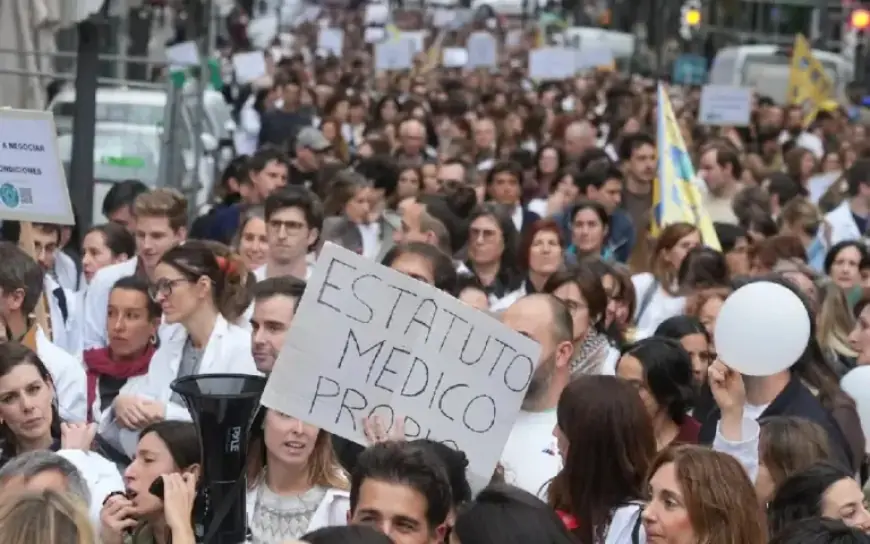
On the second day of the doctors’ strike in Spain, the Asturian regional government reached a significant agreement with the Medical Union of Asturias (Simpa). This agreement was part of a broader national strike that involved doctors from various autonomous communities, including Madrid, Catalonia, the Basque Country, Galicia, Navarra, Valencia, Aragon, and Asturias.
Significant Developments in the Nationwide Strike
The strike, which saw varied participation levels across regions, concluded with distinct figures reported by both unions and local governments. Initial reports indicated that the participation among doctors was uneven, with significant turnout in some areas but lower in others.
Agreement in Asturias
The agreement in Asturias introduced several important changes aimed at addressing healthcare professionals’ concerns:
- Implementation of more flexible on-call duty schedules.
- Reduction of the exclusivity supplement from €1,056 to €415 per month, a 60% cut.
- Salary increases for medical interns (MIR) between €100 to €150 monthly, based on rank.
- Reduction of daily patient limits from 43 to 38 per physician.
- Plan to decrease bureaucratic tasks in primary care by delegating administrative duties to trained staff.
These measures aim to reduce the burden on doctors and enhance the quality of patient care.
The Wider Strike Participation
While the Asturian deal progressed, participation in the strike reflected a mix of support:
- 53% of doctors participated in the strike according to Metges de Catalunya, contrasting with the Generalitat’s figure of 7.3%.
- In Valencia, participation was reported at 60%, down from previous estimates of 70-80%.
- In the Basque Country, the Medical Union of Euskadi reported 20% participation, with the Health Department indicating varying levels of support, peaking at 20.67% in the morning shift.
Impact on Healthcare Services
The strike had a noticeable impact on healthcare services across regions:
- In Galicia, 472 surgeries, over 24,000 consultations, and 1,600 tests were canceled over the two days of strikes.
- In Madrid, approximately 300 surgeries and 650 tests were postponed, affecting over 7,600 patients.
Future Mobilizations and Challenges
The reforms achieved in Asturias did not appease all medical professionals. The platform Médicos del Sespa distanced itself from the agreement, expressing concerns it was made without proper consultation with their constituents. This group has vowed to continue their mobilization efforts and has announced plans for more protests, possibly including an indefinite strike in February.
The nationwide strike reflects ongoing struggles within Spain’s healthcare system, highlighting significant calls for a dedicated status for medical professionals and improved working conditions. As unions continue to negotiate, the landscape of healthcare in Spain remains dynamic and under scrutiny.