

























Austin Texas Shooting: Unclear Motive and a Possible Terror Nexus Raise New Risks for Downtown Nightlife

The Austin Texas Shooting has shifted from a local mass‑casualty incident into an investigation with national security implications: investigators say materials recovered from the shooter and his vehicle indicate a "potential nexus to terrorism, " even as officials caution it is too early to say why the attack happened. That uncertainty reshapes immediate concerns for Downtown Austin venues, law enforcement coordination and communities tied to the suspect.
Austin Texas Shooting — why uncertainty is the dominant risk
Federal investigators have flagged a new risk dimension: while the scene began as a mass shooting that killed multiple people, evidence under review now includes items from the suspect and his vehicle that raise questions about extremist motives. The presence of such materials makes it harder for authorities to treat this purely as a local criminal event and forces layered reviews by domestic security agencies and local police.
What happened at Buford’s beer garden and police response
Investigators are probing a deadly shooting on Sixth Street that left three people dead and 14 injured. The shooting occurred early Sunday outside Buford’s beer garden in Downtown Austin. Officers were responding to reports of gunfire at about 1: 40 a. m., confronted a suspect who had opened fire, and fatally shot him after that confrontation.
Who the authorities say the shooter was
Authorities have identified the gunman as Ndiaga Diagne. He is described as a 53‑year‑old naturalized U. S. citizen born in Senegal who lived in Pflugerville, a suburb north of Austin. Three people, including the gunman, were killed in the incident and 14 others were wounded.
Images, clothing and the thread toward extremist motives
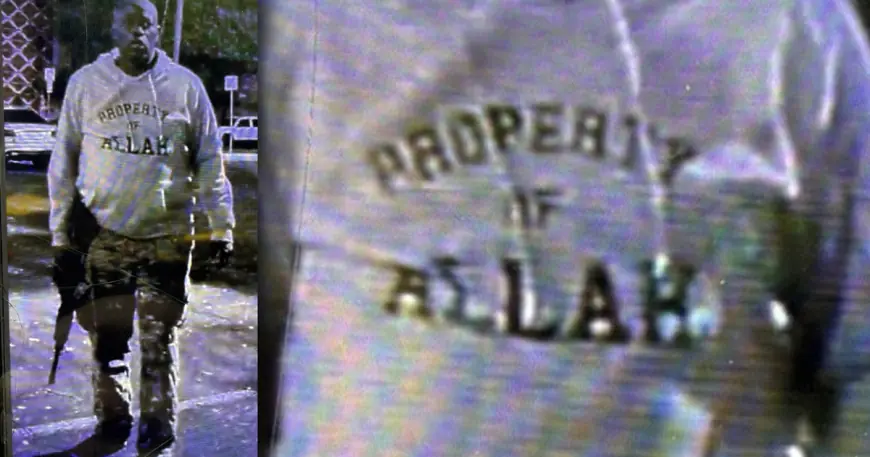
A photo obtained by news outlets shows a man holding a firearm and wearing a gray sweatshirt bearing the words "Property of Allah. " The image and associated accounts indicated the suspect was also wearing an undershirt that appeared to display an Iranian flag or Iranian imagery. Investigators are gathering that and other evidence while cautioning that the review is ongoing.
- Implication: Items recovered from the shooter and his vehicle have broadened the probe beyond local criminal motives and introduced counterterrorism elements.
- Who feels impact first: patrons and staff at Downtown Austin nightlife venues and the Pflugerville community linked to the suspect face immediate disruption and heightened scrutiny.
- Next signals that will clarify the case: results of forensic analyses and the outcome of federal interviews tied to materials recovered will determine whether the investigation remains primarily criminal or expands into a terrorism probe.
- Public safety shift: local policing and federal counterterror teams are now coordinating reviews rather than working in isolation.
Here's the part that matters: federal officials have explicitly used language — "potential nexus to terrorism" — that keeps options open and preserves investigative pathways into ideology, travel, contacts and material origins. The real question now is whether those materials point to personal radicalization, external direction, or symbolic messaging without wider operational ties.
What’s easy to miss is that investigators have not concluded a motive or tied the attack to any specific group; they have only said the evidence merits terrorism‑related follow up. This restraint matters because it tempers immediate assumptions even as communities seek answers.
Next steps for investigators and the public
Federal and local officials continue to review evidence gathered from the scene, from the suspect and from his vehicle. Officials have cautioned it is too early to determine a motive or whether the attack was directed or inspired by a particular group. Press briefings by law enforcement and federal agencies are ongoing as forensic work continues.
Immediate local consequences and broader signals
Downtown businesses and residents are likely to see increased security presence and more coordinated messaging from law enforcement in the short term. If forensic results or investigative interviews produce clearer links to an extremist network or external direction, the case will move into a different investigative posture with wider implications for public‑safety protocols at high‑density nightlife areas.
For now, investigators remain in evidence‑gathering mode and caution that details may evolve as reviews continue.