
























Brent Crude Price Surges as Strait of Hormuz Attacks Force Shipping to Anchor and Markets Slide

The brent crude price jumped sharply this week as attacks near the Strait of Hormuz and threats to close the vital waterway forced vessels to anchor and disrupted global energy flows. The moves have rippled through commodities, equities and shipping, raising immediate supply concerns and fresh inflation worries for consumers.
Brent Crude Price reaction and immediate market moves
Brent crude initially jumped by 10% to top more than $82 a barrel on Monday after at least three ships were attacked near the Strait of Hormuz over the weekend. In other pricing snapshots, Brent was trading at $79. 41 per barrel early on Monday, up 9% from a recent Friday level, and later settled back to about $79 a barrel. US-traded crude was up roughly 7. 6% at $72. 20 in one measure, while another gauge showed West Texas Intermediate at $72. 79 early on Monday, an increase of about 8. 6% from its Friday price of roughly $67.
Shipping disruption: Strait of Hormuz forced to a near standstill
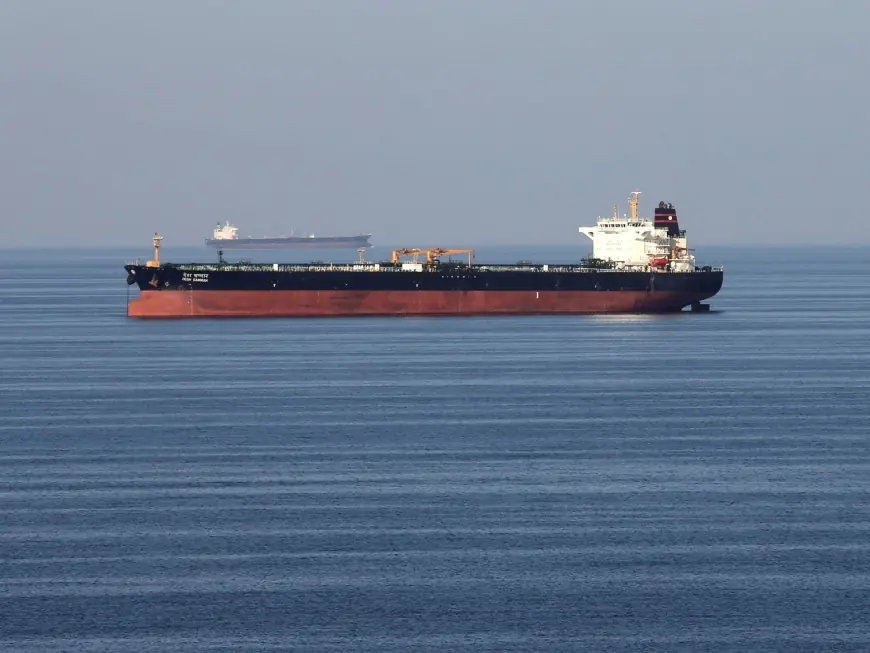
Vessels have been forced to anchor as Iran threatened to close the Strait of Hormuz, a choke point through which about 20% of the world's oil and gas is shipped and which also channels about a fifth of the world’s seaborne oil trade. International shipping almost came to a standstill at the entrance to the strait, with tankers piling up on either side, wary of attack or unable to obtain insurance for the voyage. The UK Maritime Trade Operations Centre reported that two vessels had been struck and that an unknown projectile exploded in very close proximity to a third. Separate coverage noted two vessels travelling through the Strait of Hormuz were attacked on Sunday.
Regional escalation: strikes, responses and leadership comments
Military strikes by the United States and Israel on Iran showed no sign of lessening while Iran continued launches across the Middle East in response, with missile barrages risking a widening of the conflict. The US President said strikes on Iran could last weeks and suggested attacks would continue until stated objectives were met. Analysts warned that a prolonged conflict could push energy prices even higher and materially affect inflation and interest-rate dynamics.
Broader market fallout: stocks, gold and consumer pain
Equities slid as oil and gas moved higher. In London, the FTSE 100 fell 1%, with the owner of British Airways among the biggest fallers amid disruption to Middle East airspace. Banks such as Barclays, Standard Chartered and HSBC saw share prices slide on concern that sustained energy-price rises would fuel inflation and could reduce the scope for interest-rate cuts by central banks. France’s CAC-40 fell by 1. 8% while Germany’s Dax dropped about 2. 1% in early afternoon trading. In Asia, Japan’s Nikkei declined 1. 3%, blue-chip stocks in China were down 0. 1%, and MSCI’s broad index for Asia-Pacific shares outside Japan fell about 1. 2%. The price of gold, a safe-haven asset in periods of uncertainty, rose roughly 2% to around $5, 388 an ounce. Higher energy prices were noted to translate into higher petrol and grocery costs for consumers already feeling inflationary pressure.
Supply responses and OPEC+ output decision
In response to the market shock, members of the OPEC+ grouping agreed to increase output by 206, 000 barrels a day in April, a move described as larger than analysts had been expecting in the short term. Eight countries were named as boosting production: Saudi Arabia, Russia, Iraq, the United Arab Emirates, Kuwait, Kazakhstan, Algeria and Oman. Some experts expressed doubt that that increase would meaningfully blunt the immediate price reaction.
Analysts, warnings and near-term outlook
Commentators highlighted that traders were reacting quickly to news flows and that market structure could amplify moves. Saul Kavonic, head of energy research at MST Marquee, noted the market isn't panicking and pointed to clarity that oil transport and production infrastructure has not been a primary target so far, while adding that markets will watch for signs of traffic through the strait returning. Jorge Leon, head of geopolitical analysis at Rystad Energy, warned that an effective halt of traffic through the Strait of Hormuz would prevent 15 million barrels per day of crude from reaching markets unless de-escalation signals emerge swiftly. Some analysts warned prices could exceed $100 in the event of a prolonged conflict. Robin Mills, chief executive of Qamar Energy and a former Shell executive, suggested the jump in prices will feed through almost immediately but argued current oil levels remain below peaks from two years ago, so this is not yet a full-blown oil crisis. Edmund King, president of the AA, cautioned the disruption could drive up petrol prices worldwide. Recent updates indicate the situation remains fluid and details may evolve.