Trump Threatens Nation with Triple Venezuela’s Oil Output

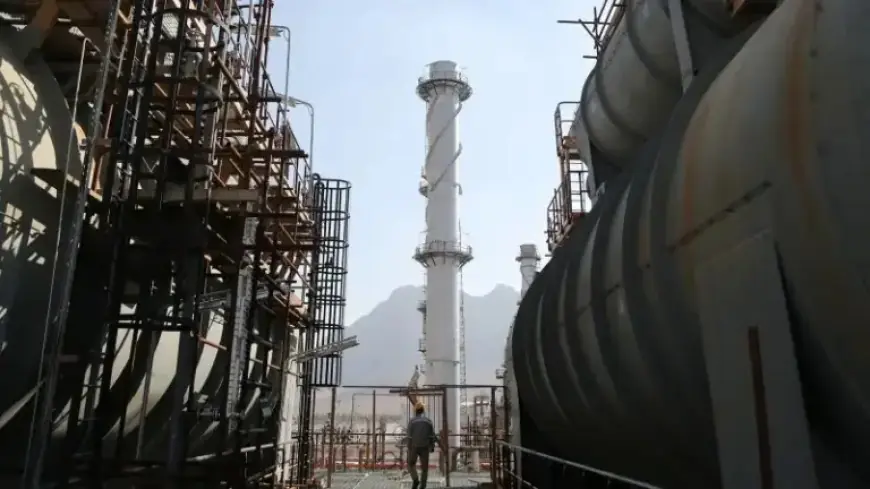
The current geopolitical landscape concerning oil production is tense, particularly regarding Iran and its significant oil reserves. Recent developments indicate a potential increase in the volatility of global oil markets due to Iran’s ongoing internal struggles and external threats of military action by the United States.
Trump’s Stance on Iranian Oil Production
President Donald Trump has recently suggested that the U.S. is contemplating a response to ongoing protests and governmental instability in Iran. The Iranian government is under tremendous pressure, a situation that mirrors troubles faced by Venezuela, another oil-rich nation where the U.S. has taken decisive actions. While Trump has indicated a watchful approach, oil markets are reacting strongly to the uncertainty surrounding Iran.
Iran’s Oil Reserves and Production
Iran is home to the third-largest proven oil reserves in the world, with 209 billion barrels yet untapped. Currently, Iran produces approximately 3.2 million barrels of oil per day, contributing about 4% to the global supply. This positions Iran as the sixth-largest oil producer globally. In comparison, production levels have plummeted significantly from the peak of 6.5 million barrels per day in the mid-1970s.
- Iran’s proven oil reserves: 209 billion barrels
- Current oil production: 3.2 million barrels per day
- Global crude production percentage: 4%
- Peak production (1970s): 6.5 million barrels per day
Impact of U.S. Actions on Oil Prices
Recent concerns over a potential U.S. strike on Iran have already influenced oil prices. The price of crude oil surged above $61 a barrel amid fears of disruption, a notable increase from $56 a barrel just a week prior when Trump announced the intention to boost Venezuelan oil production. However, prices cooled down after Trump suggested that military action was not imminent.
Analysts note that any military engagement could lead to significant price hikes. The potential for disruption in the Strait of Hormuz, where 20 million barrels of oil are transported daily, is particularly concerning for traders.
Iran’s Economic Outlook
Despite facing heavy sanctions, Iran has a surprisingly diverse economy. Oil constitutes about 10% to 15% of its overall GDP, but the government heavily relies on oil revenues, which account for nearly half of its financial income. The current regime’s stability is closely tied to the oil sector’s performance.
While Iran’s oil infrastructure remains relatively intact compared to Venezuela’s, the prospect of regime change could further impact oil prices. An uncertain political transition could elevate market risks, whereas a more transparent government may stabilize the situation in the long run, increasing oil availability.
Conclusion
The geopolitical situation involving Iran and its oil production remains highly fluid. With President Trump’s administration weighing its options, the oil market is bracing for potential chaos. Traders are closely monitoring the developments, as any action taken could significantly influence global oil prices and supply chains.