



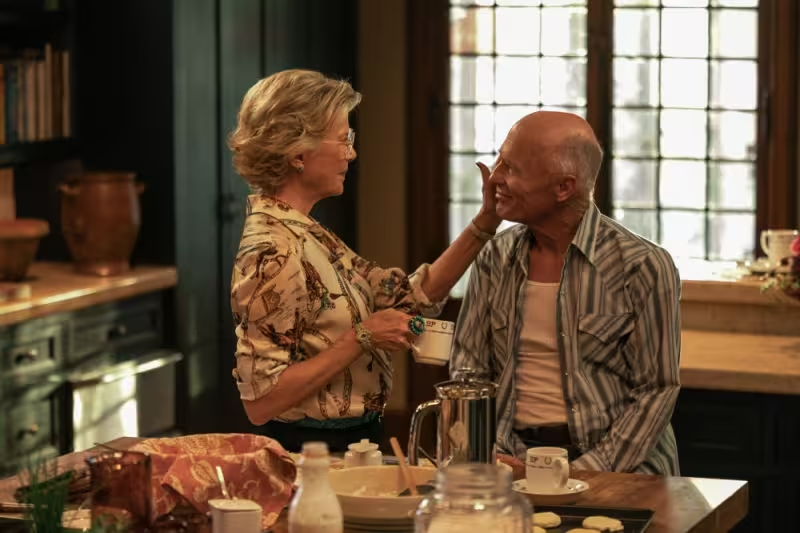
Beth Dutton and Beulah boarded a private jet and met Zane Nash to pitch fresh Angus from the 10‑Petal Ranch, selling it not as commodity beef but as a cowboy‑to‑table experience — a sale that Nash, who can place meat in high‑end Texas restaurants and hotels, did not immediately commit to.
The meeting matters because Nash holds the distribution links that could turn a localized ranch operation into a multi‑city supplier. Beth framed the product around provenance and story, telling Nash that "Yellowstone might be written in the history books" while arguing the 10‑Petal Ranch is still standing, a line meant to translate TV notoriety into menu cachet for chefs and hotel food buyers across Texas.

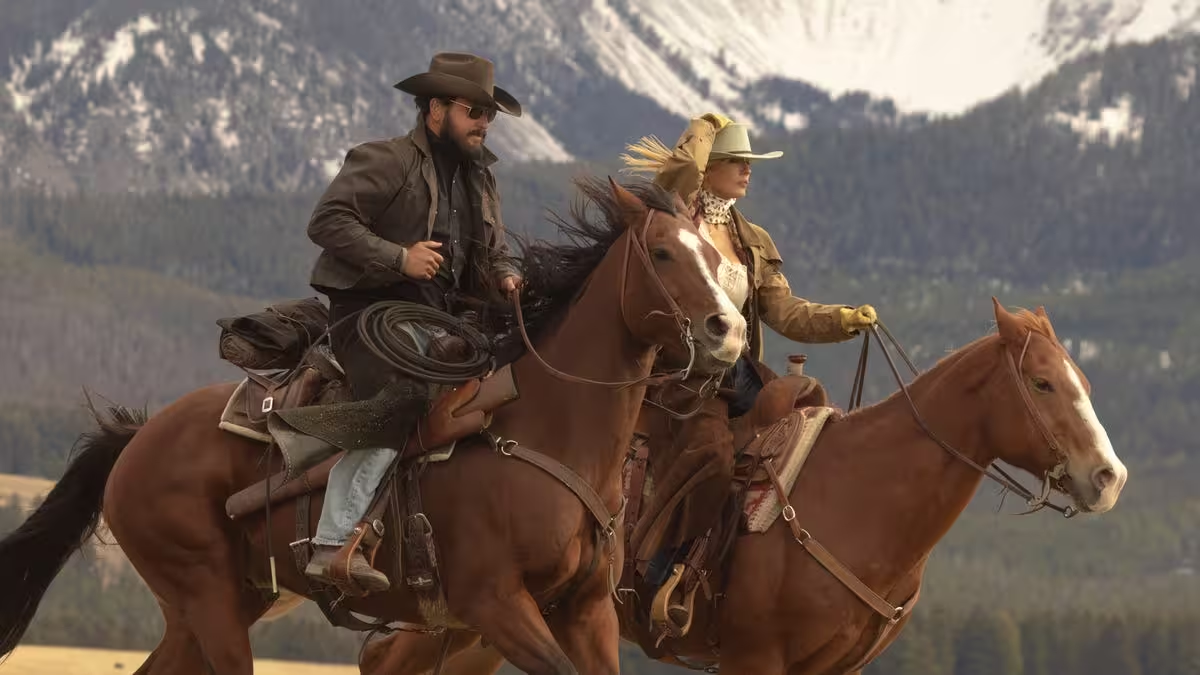
On the ground, the ranch staged the kind of visible, old‑school work Beth used in the pitch. Rip brought Azul and Zachariah to labor at the 10‑Petal; the combined cowboy force branded the new Angus herd that Beth insisted Beulah bring in. The Dutton and 10‑Petal crews even held a one‑handed calf‑roping challenge for Austin’s flashy belt buckle — an old rite of display that ended with the Dutton cowboys taking the trophy. Those moments supplied the texture of authenticity Beth leaned on in the meeting: not just meat, but a lived cowboy economy behind it.
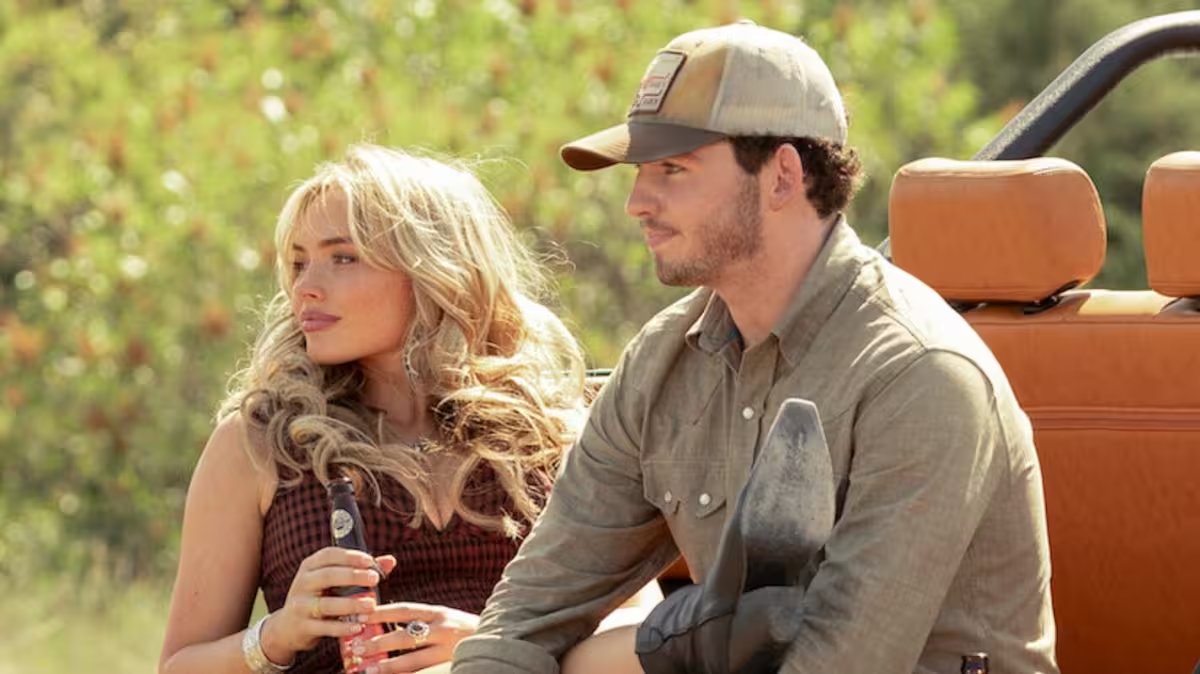
Family life threaded through the business push. Carter sat at breakfast with Beth and Rip but was clearly out of sync; he wasn’t speaking much to them and said he was heading out early for a "math quiz" before planning to go fishing and have dinner with Oreana after school. Beulah, juggling household duties, made breakfast for Everett after a sleepover before flying with Beth to Texas. Those small domestic beats softened the sales veneer and underscored that the pitch sprang from a working ranch trying to remake itself.
The episode’s larger friction came when the past intruded on the future. An unresolved murder cover‑up from the end of Yellowstone resurfaced at the Dutton Ranch during the same stretch in which Beth and Rip are trying to make headway on a new Texas plan. The resurrection of old secrets complicated the simple business narrative: public reputation, legal shadows and loyalty all cut against the tidy cowboy‑to‑table pitch. When the burden of that past was raised, Rip called it "still impossible," a terse assessment that underlined how much the Dutton name still carries and how fragile any commercial pivot remains.
That tension extended to ranch hires and local sentiment. Azul, whose family ties to the land run back a generation, warned of the costs of change in blunt terms, saying "his father, who used to work on what was formerly known as the Edwards Ranch, is rolling in his grave." His comment framed the branding and herd changes as painful for workers who remember the old order, and reminded viewers that scaling a product into luxury markets can erase histories the ranch depends on.
The immediate result is straightforward: the sales pitch happened, the theater of ranch life provided the story, and Nash heard the offer. The episode leaves the most consequential question unanswered — will Zane Nash sign on and move 10‑Petal Angus into dining rooms and hotel kitchens across Texas? — and it makes clear what that decision will determine. A yes would buy time and market muscle as the ranch approaches its 190th anniversary; a no would leave Beth and Rip’s Texas plan still largely performative, an attempt to turn a fraught family legacy into brand advantage without the distribution to sustain it.



