
























Airlines Cancel Flights, Add Fees Due to Jet Fuel Crisis

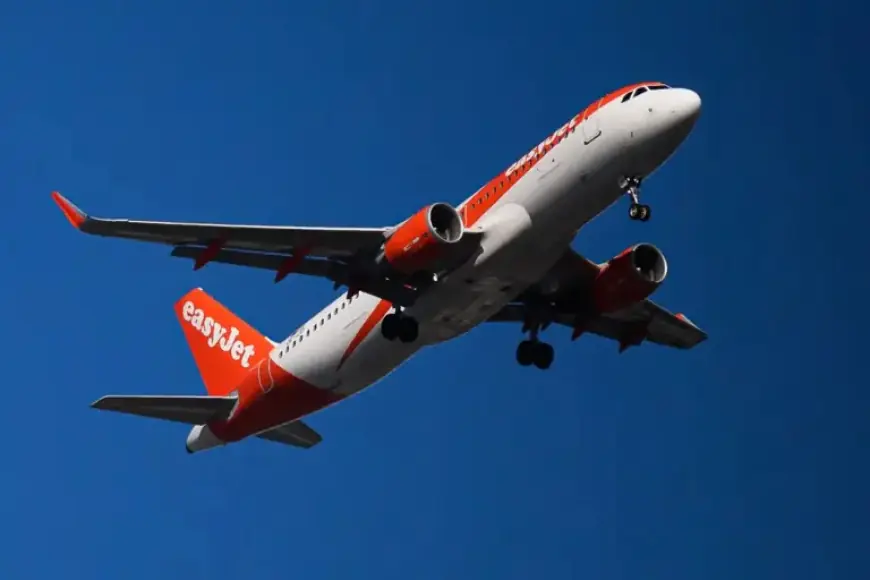
The aviation sector is under intense pressure after jet fuel prices jumped sharply. Prices rose from roughly $85–$90 per barrel to about $150–$200 per barrel. Fuel can represent up to a quarter of an airline’s operating costs.
Supply and geopolitical risks
Fatih Birol, head of the International Energy Agency, warned Europe has roughly six weeks of jet fuel stock. He said a prolonged closure of the Strait of Hormuz could force widespread cancellations. The IEA cautioned the situation threatens summer travel plans.
How carriers are responding
Airlines Cancel Flights, Add Fees Due to Jet Fuel Crisis. Carriers are cutting capacity, cancelling services, and raising customer charges. Many operators also suspended or revised financial forecasts.
Cancellations and capacity cuts
- KLM announced 160 flight cancellations in Europe on April 16. The cuts aim to curb fuel-driven losses.
- Asiana will remove 22 flights between April and July. SAS cancelled about 1,000 flights in April.
- Cathay Pacific planned cuts from mid-May through June. HK Express reduced around 6% of its schedule.
- Vietnam Airlines requested support and planned 23 fewer domestic flights per week from April.
- Lufthansa grounded 27 CityLine aircraft and will retire some long-haul jets by the end of summer.
New surcharges and fare increases
- Air France-KLM moved to raise long-haul fares by about €50 per round trip.
- Akasa Air imposed a fuel surcharge of 199–1,300 rupees on select routes.
- China Eastern raised domestic fuel surcharges from April 5. Short flights faced 60 yuan, longer flights 120 yuan.
- IndiGo added charges from March 14. Fees include 900 rupees for Middle East routes and 2,300 rupees for Europe.
- SunExpress applied a temporary €10 per passenger surcharge for Turkey–Europe routes from May 1.
- Hong Kong Airlines increased surcharges by up to 35% from March 12.
Baggage and optional service fee hikes
- Delta cut planned capacity and added $10 to first and second checked bags. It raised the third bag fee by $50.
- American Airlines increased first and second checked bag fees by $10. It raised the third bag fee by $150.
- Alaska Airlines raised fees: first bag +$5, second bag +$10, and the third from $50 to $200.
- Southwest moved first and second bag fees up by $10, to $45 and $55 respectively.
- JetBlue increased optional service costs by $4 or $9 depending on the option.
- United added $10 to first and second checked bag fees for several regions.
Operational and financial measures
- Air New Zealand cut flights in May and June and suspended its full-year profit guidance.
- Delta halted capacity growth and delayed updating its annual outlook amid fuel uncertainty.
- Qantas delayed a planned A$150 million share buyback and raised its H2 2026 fuel bill forecast to A$3.1–3.3 billion.
- Turkish Airlines retained 2025 earnings rather than pay a dividend to preserve cash.
- T’Way Air planned furloughs for some cabin crew in May and June to reduce costs.
- Some carriers sought government relief and tax changes to ease fuel burdens.
Regional warnings and industry consequences
The Airline Operators of Nigeria threatened to suspend operations from April 20 without lower fuel costs. Several Asian and European carriers warned of wider network adjustments. Executives said surcharges often do not fully offset rapid fuel price increases.
Outlook for travelers
Passengers should expect higher ticket prices and more surcharges. Airline schedules may change with little notice. Travelers are advised to check bookings and baggage policies frequently.
This report was compiled for Filmogaz.com using available industry statements and public sources. Companies cited announced measures in March and April, with some changes effective into May and beyond.