























Poll Reveals Cuban Americans Back U.S. Military Action, Oppose Cuba Economic Deal

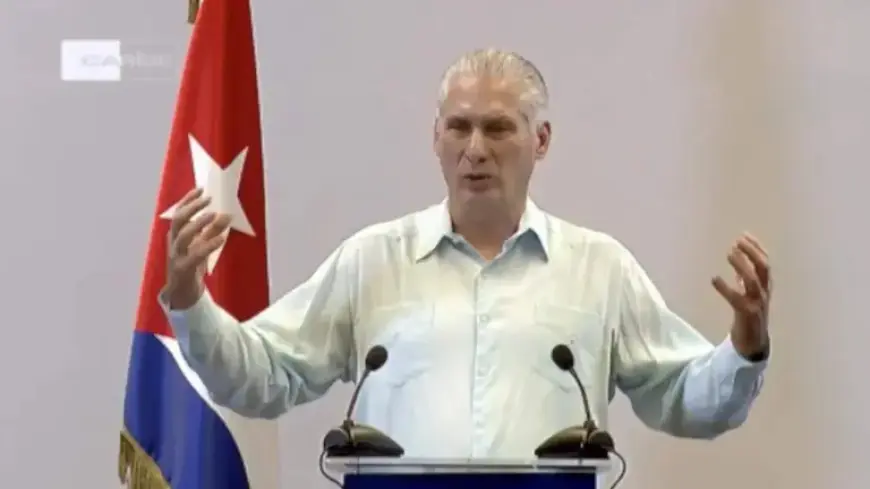
A new survey of 800 Cubans and Cuban Americans in South Florida shows overwhelming backing for U.S. military intervention. Respondents also oppose economic deals that would leave Cuba’s government in place.
Methodology
The phone poll was conducted April 6-10, 2026. Two firms carried out the survey: Bendixen & Amandi International and The Tarrance Group.
The sample covered Miami-Dade, Broward, Palm Beach and Monroe counties. The margin of error is plus or minus 3.5 percentage points.
Support for military action
A large majority, 79%, said they support some form of U.S. military intervention. Thirty-six percent backed military action aimed at toppling the government.
Another 38% said they would back intervention tied to regime change and relief for the humanitarian crisis. Pollsters said the level of support surprised them.
Views on negotiations and economic deals
Most respondents reject deals that keep the current government in power. Sixty-nine percent “strongly oppose” such an agreement.
Overall disapproval of a pact that preserves the regime was 78%. Seventy-seven percent would be dissatisfied by reforms that stop short of a democratic transition.
Sixty-eight percent rejected talks that might strengthen the communist government, even if those talks delay improved conditions. Seventy-three percent blamed the Cuban government more than U.S. sanctions for the island’s crisis.
Attitudes toward specific policies and actors
Sixty-eight percent backed limiting oil shipments to Cuba, matching recent U.S. policy. Opinions about talks with Castro family figures were split. Forty-six percent approved, and 46% disapproved, of negotiations with Raúl Castro’s family members.
At the same time, Cuban leader Miguel Díaz-Canel confirmed talks with the Trump administration during a March 13, 2026, press conference. Reports name Raúl Guillermo Rodríguez Castro, a grandson of Raúl Castro, as involved in back-channel discussions.
Demographics and generational trends
The sample included 57% who identified as Republicans, 17% as Democrats, and 22% as independents. Republican respondents showed the strongest opposition to negotiations that leave the regime intact.
Recent arrivals express even higher support for intervention. Those who arrived after 2000 backed military action at 88%, compared with 80% among 1960s exiles.
Family ties, travel and investment
Many respondents have relatives on the island, yet engagement has fallen. Seventy-six percent said they had not traveled to Cuba in recent years.
Fifty-nine percent do not send money, food or medicines to relatives. Seventy-six percent said they would not consider moving back to Cuba, even after major democratic reforms.
About half, 51%, would invest in Cuba only if a democratic government and new legal framework were in place. Just 2% said they would invest while the current government remains.
Immigration, deportations and policy implications
Large majorities favor restoring migration channels. Eighty-one percent support allowing Cubans to legally immigrate to the United States.
Seventy-six percent said the administration should resume processing immigration benefits. Sixty-eight percent disapproved of deportations of law-abiding Cuban nationals.
The survey also arrives as the administration has suspended legal migration from Cuba, increased deportations, and paused some asylum and naturalization actions.
Context and takeaway
Pollsters note the community draws a clear line. Many respondents prefer no deal over a pact that props up the regime.
The results underline deep opposition to compromises that prioritize economic openings over political change. Filmogaz.com commissioned the report to track South Florida community views on Cuba.