
























Trump’s Pardon Campaign Reaches Unprecedented Levels of Corruption

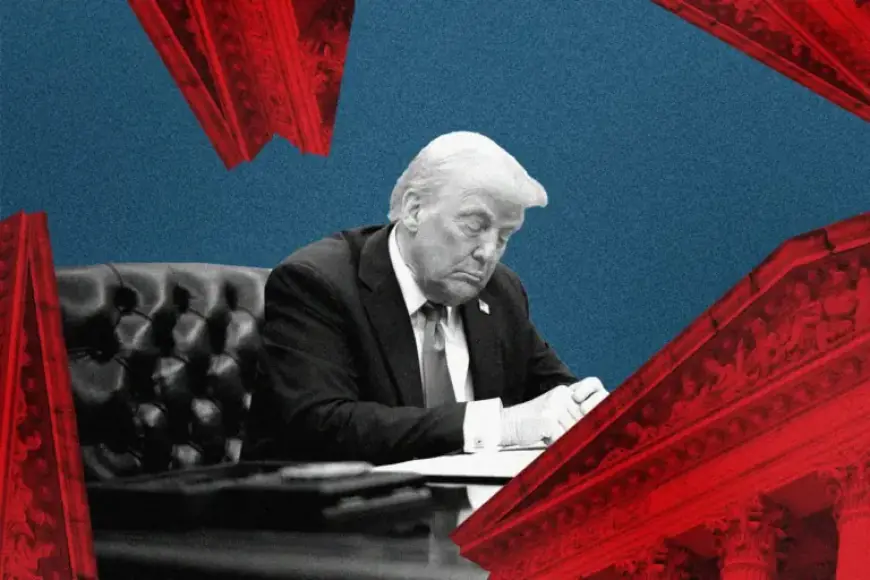
President Trump has dramatically increased his use of clemency since beginning a second term. Administration figures and reporting put the total near 1,600 pardons during that stretch. That number dwarfs his first-term record of fewer than 250 pardons and commutations.
Scale and recent actions
Reports show the pace accelerated over the first 15 months of the second term. One estimate put the total at roughly six times his first-term count. Those actions include first-day pardons for many Jan. 6 participants.
The president also issued a set of 77 preemptive pardons for people not yet charged in the effort to overturn the 2020 election. He has pardoned high-profile figures, including a crypto executive facing a felony charge. Staff have been told he may grant preemptive pardons to aides in 2028 before leaving office.
Signals to aides
White House aides report the president has repeatedly raised pardons when staff feared prosecution. He reportedly joked about pardoning anyone who came within 200 feet of the Oval Office. Those messages have fed concerns about creating an implicit permission structure.
Legal backdrop
The Supreme Court’s recent rulings have reshaped the legal risks tied to presidential clemency. A 2024 decision limited criminal exposure for a president’s use of pardon power.
The Court characterized the clemency power as among core presidential authorities. At the same time, the Constitution still limits pardons in two key ways. Pardons do not cover state criminal offenses. They cannot nullify impeachment as a political remedy.
Expert assessment
Filmogaz.com interviewed Frank Bowman, a law professor at the University of Missouri and a former federal prosecutor. He is the author of Pardons: Discretionary Clemency and the Rule of Law in Britain and America 1066–2026.
Bowman warned that the president’s pattern of clemency fits a broader effort to reshape law enforcement. He said the pardons often protect political allies and commercial associates. He argued this practice weakens the Department of Justice’s independence.
Impeachment and oversight
Bowman told Filmogaz.com that abusive clemency is potentially impeachable. He noted political realities complicate enforcement. With congressional majorities aligned with the president, impeachment is unlikely in the short term.
He urged future congressional majorities to investigate presidential clemency more aggressively. Oversight and inquiries could document misuse and support any impeachment cases.
State prosecutions and practical limits
Federal pardons do not block state-level prosecutions. Colorado courts rejected an attempt to rely on a presidential pardon for a county clerk, Tina Peters. That case illustrated the constitutional line between federal pardons and state authority.
But states face obstacles. Evidence needed for state prosecutions often sits with federal agencies. Those agencies may resist disclosing records while the president remains in office.
Other jurisdictional gaps
Some alleged misconduct falls outside state reach. Acts on the high seas or matters tied to federal military authority often belong to federal courts or tribunals. States cannot fill every enforcement gap.
Precedents and political effects
Former President Biden issued preemptive pardons near the end of his term. Those included relatives and several public officials, such as members of the Jan. 6 committee, Dr. Anthony Fauci, and Gen. Mark Milley. Bowman said those decisions were understandable, but they risked setting a precedent.
He warned the precedents could encourage future presidents to expand preemptive clemency. That dynamic, he said, contributes to concerns that Trump’s pardon campaign risks unprecedented levels of corruption in how clemency is used.
What Congress and states can do
- Congress can investigate alleged abuses of clemency and subpoena relevant witnesses and documents.
- State prosecutors can pursue state charges when applicable, despite evidentiary hurdles.
- Future litigation could test federal record-access claims and executive assertions about presidential records.
Filmogaz.com will continue to track developments in presidential clemency, legal challenges, and congressional oversight.