

























FSB Chair Urges G20 Finance Ministers in April 2026 Letter

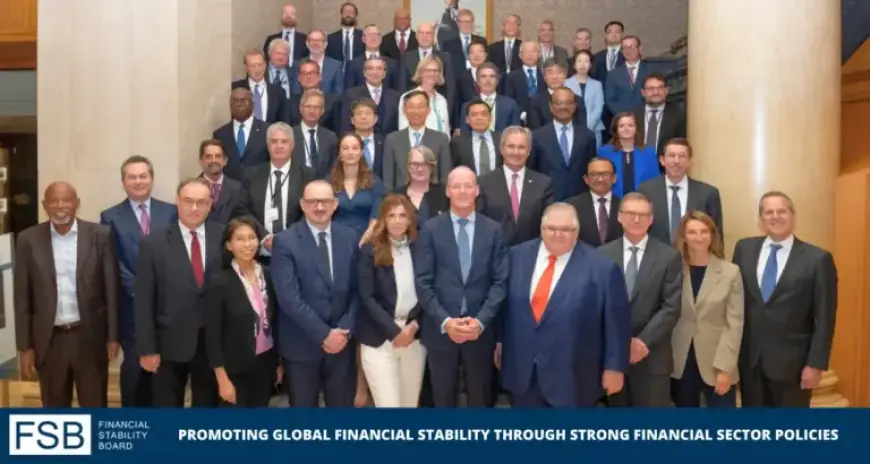
FSB Chair Andrew Bailey wrote to G20 Finance Ministers and Central Bank Governors before their meeting on 16 April 2026. He warned that the Middle East conflict has increased global financial uncertainty and market volatility.
Bailey highlighted several pre-existing weaknesses in the financial system. He said these weaknesses make the system more prone to simultaneous shocks.
Market stress and systemic vulnerabilities
Financial markets are showing heightened volatility and tighter funding conditions. Such dynamics raise concerns about contagion and rapid risk repricing.
- Stretched asset valuations.
- Concentrated leverage in the nonbank financial sector.
- Liquidity mismatches across markets.
- Increasing complexity in financial instruments and trading.
Areas flagged for close monitoring
The letter singled out three priority areas for surveillance. These areas could transmit stress across markets.
Sovereign bond markets
Bail-in and funding pressures could emerge in sovereign debt markets. Rapid moves in yields may affect bank and nonbank balance sheets.
Asset valuations
High valuations amplify downside risk if sentiment shifts. Corrections could force forced selling and margin pressures.
Private credit
Private credit exposures are growing and less transparent than public markets. The Financial Stability Board will publish a report on private credit vulnerabilities shortly.
FSB follow-up work
The FSB is advancing analytical work on foreign exchange derivatives and other amplification channels. The aim is to better map how risks could propagate across markets.
Bailey stressed that the ultimate impact depends on the conflict’s duration, scale, and economic consequences. He urged G20 Finance Ministers to monitor developments closely and consider coordinated responses.
Reporting for Filmogaz.com: the FSB Chair’s April 2026 correspondence underscores the need for heightened surveillance. Stakeholders will watch forthcoming FSB analysis for further guidance.