

























Iran and US Seek to Renew Dialogue Amid Hormuz Threats

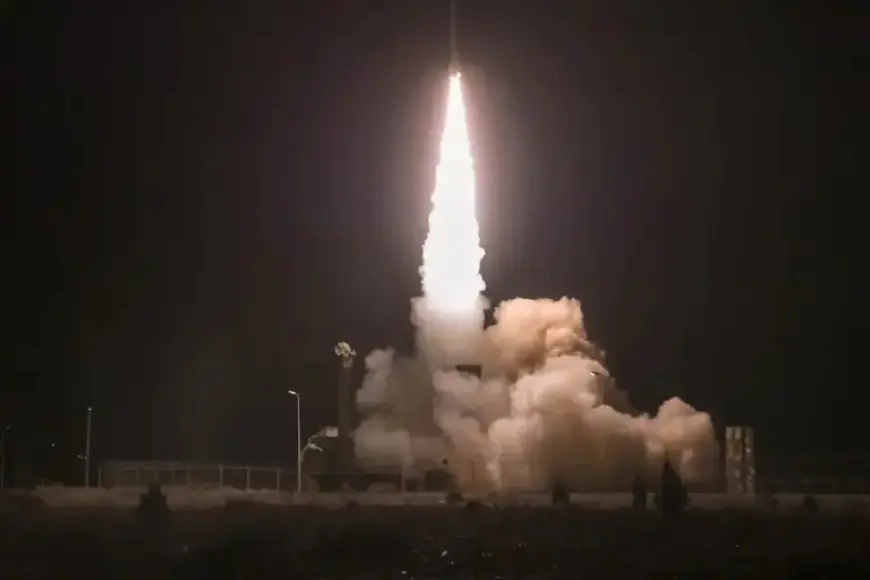
Iran and the United States moved closer on Wednesday toward a second round of negotiations. The White House described the talks as continuous and productive. A Pakistani delegation visited Tehran to mediate.
Ceasefire status and diplomatic signals
Washington said it had not formally requested an extension of the 15-day ceasefire. That temporary truce is due to expire next Wednesday. President Trump expressed optimism after a Tuesday interview.
The Iranian Foreign Ministry has not confirmed negotiations. Pakistan’s delegation was led by army chief Asim Munir. Islamabad seeks to preserve momentum for another meeting.
Nuclear talks proved the main obstacle
Diplomats agreed the nuclear file stalled progress. U.S. negotiators reportedly pushed for a 20-year moratorium. Iran countered with a five-year offer and signaled openness to a single-digit proposal.
U.S. representatives left the talks, saying Tehran was bargaining over a publicly touted offer. The deadlock left dates for a follow-up unclear.
Fighting in Lebanon and Israeli responses
Pakistan and Iran said the ceasefire should include Lebanon. Israel rejected that inclusion and continued strikes. In the past 48 hours, at least 50 people died in Lebanon, including 10 paramedics.
Prime Minister Benjamin Netanyahu ordered reinforcements to southern Lebanon. Israeli forces said they were preparing to take Bint Jbeil. Lebanese officials held a rare U.S.-hosted meeting with Israeli representatives, drawing criticism from Hezbollah.
Escalation around the Strait of Hormuz
Tensions at the Strait of Hormuz threaten the fragile truce. Washington announced its own maritime blockade and sent additional troops. Iran had already imposed measures after the outbreak of hostilities on February 28.
Ali Abdolahi, commander of the joint military headquarters, warned he would block all exports and imports if the U.S. blockade persisted. Tehran described the U.S. naval restrictions as illegal.
Shipping incidents and naval warnings
Iranian state-linked media reported a large tanker transited to Bandar-e Imam Khomeyni despite the blockade. The vessel is said to hold two million barrels and faces U.S. sanctions. Three other tankers linked to Chinese and Iranian interests crossed the Gulf the previous day.
U.S. Central Command warned ships they would be intercepted, diverted, or captured if they entered the blockaded zone without authorization. Washington also threatened to strike fast Iranian boats approaching U.S. warships.
U.S. force posture and deployments
The Washington Post reported about 6,000 troops aboard the carrier USS George H.W. Bush and its escorts. Another 4,200 Marines from the amphibious group Boxer and the 11th MEU are expected later this month. The Pentagon says more than 50,000 personnel participate in the operations against Iran.
Those troop totals are smaller than past deployments to Afghanistan and Iraq. Yet military presence remains significant in the region.
China, arms concerns and intelligence allegations
President Trump said he asked Xi Jinping not to arm Iran. Xi reportedly replied he was not doing so in essence. Trump shared the exchange publicly on television and on Truth.
The Financial Times reported China secretly provided Iran with an intelligence satellite in 2024. The satellite allegedly aided attacks on U.S. bases across the Middle East.
Outlook
Diplomats continue to explore options despite setbacks. Islamabad wants to host another meeting, but Pakistan’s prime minister is temporarily abroad. Iran and US Seek to Renew Dialogue Amid Hormuz Threats remains the key narrative shaping the next steps.
Filmogaz.com will continue to follow developments from Tehran, Islamabad, Washington, and Beirut. New updates are expected as parties reconvene and tensions around Hormuz evolve.