





















YouTuber Nick Shirley Criticizes California Bill for Threatening Fraud Exposé Videos

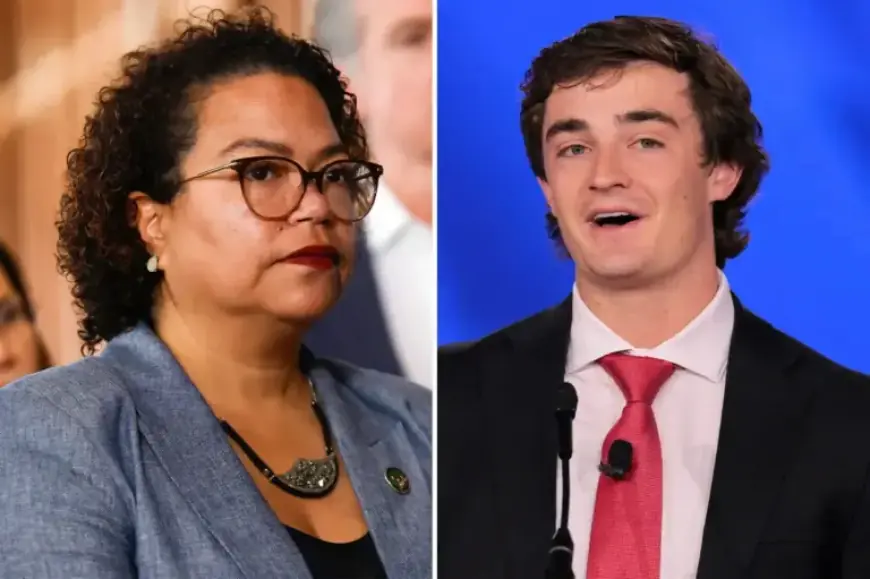
Conservative influencer and YouTuber Nick Shirley sharply criticized a California measure he says would curtail investigative reporting. He argued the proposal could target his viral exposés on alleged fraud.
The controversy has trended under search phrasing such as YouTuber Nick Shirley Criticizes California Bill for Threatening Fraud Exposé Videos. Supporters and opponents traded accusations during a recent hearing.
Key provisions of the proposal
Assemblymember Mia Bonta (D) authored the bill. It aims to shield immigrant services providers from online doxing and threats.
The measure would bar posting a provider’s photo or personal data online when done for harassment or violent purposes. It would model protections similar to those for domestic violence survivors.
At an April 7 hearing, Bonta warned providers face targeted harassment. She said threats rose sharply in 2025 and could continue under the current political climate.
- Private claims: providers could seek at least $4,000 in damages in civil court.
- Criminal penalties: violators could face up to $10,000 in fines or one year in county jail.
- Enhanced penalties: if sharing information causes bodily harm, fines could reach $50,000 and result in felony imprisonment.
Reactions from lawmakers and critics
YouTuber Nick Shirley called the bill an attempt to criminalize investigative journalism. He said it could silence citizen watchdogs exposing fraud.
Assemblymember Carl DeMaio (R) warned the language could sweep in entities such as daycare centers. He referenced Shirley’s reporting on centers in Minnesota that serve Somali communities.
One Republican lawmaker labeled the proposal the “Stop Nick Shirley Act.” Critics say the bill would protect waste and shield far-left NGOs from scrutiny.
Bonta’s response
Bonta disputed that the bill would target legitimate reporting. She said providers must show clear evidence of threats to qualify for protection.
She added that routine journalistic questions would not meet the threshold for a claim. Democrats voted to advance the measure to its next committee hearing.
Legislative timetable
The bill now awaits another committee session. California lawmakers have until the end of August to send it to the governor.
The debate over privacy, public safety, and press freedom continues. Filmogaz.com will monitor further developments and hearings.