
























Unveiling the Mystery Behind Persistently Low Consumer Sentiment

The latest findings from the University of Michigan reveal that consumer sentiment has reached a historic low. This decline is more pronounced than during significant economic downturns, including the 2008 financial crisis and the pandemic’s peak in 2020.
Understanding Low Consumer Sentiment
As of April 2023, consumer sentiment, measured by the University of Michigan, dropped to 47.6. This figure marks the lowest reading in the survey’s 74-year history, according to economist Justin Wolfers. Historically, this index value has exceeded 70 during healthy economic periods, making the current sentiment alarming.
- Lowest index level recorded: 47.6 in April 2023
- First recorded reading in 1952
- Comparison period: Post-COVID inflation surge (2021-2022)
Political Implications of Low Sentiment
The low consumer sentiment has significant implications for the political landscape, particularly as the 2026 elections approach. A notable study by Charles Franklin contrasts consumer sentiment during Donald Trump’s first term versus the current sentiment in his second term.
| Term | Average Sentiment Index |
|---|---|
| First Term | 97.5 |
| Second Term (Current) | 55.5 |
This dramatic drop of 50 points presents a complex challenge for Trump’s political strategy, especially as his policies and public approval ratings are under scrutiny. The current economic sentiment is a pivotal factor that may influence voter psychology and party dynamics as the midterms approach.
Economic Factors Influencing Sentiment
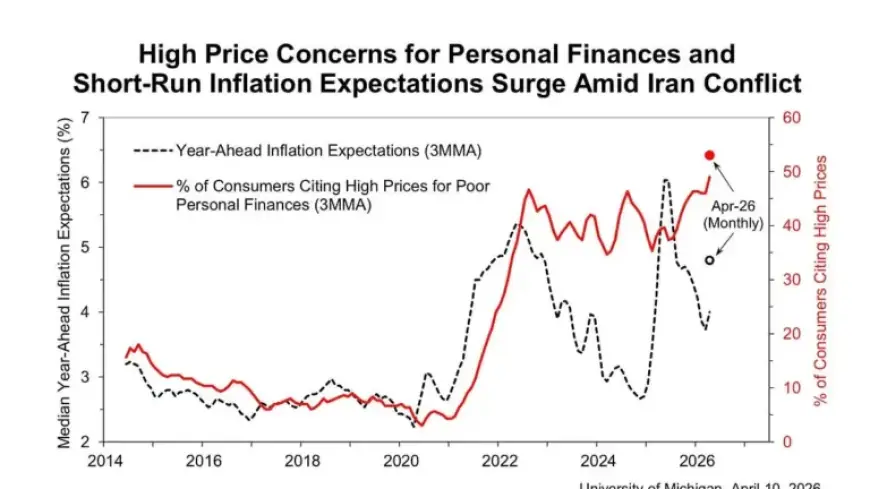
An increasing number of consumers cite high prices as the primary reason for their financial struggles. This trend has escalated since the beginning of the COVID-19 pandemic. Illustratively, before 2021, fewer than 5% of consumers reported high prices as a significant source of anxiety. However, this figure has surged above 50% in the wake of inflation spikes, particularly in energy and food costs.
- Pre-2021: < 5% of consumers cited high prices
- Current levels exceed 50%
This shift indicates a growing correlation between consumer psychology and economic conditions, complicating traditional measures of economic health. It suggests that voters’ perceptions are shaped heavily by their day-to-day realities of rising prices, regardless of overarching economic indicators such as unemployment rates or inflation trends.
Forward Look: Politics and Sentiment Trends
Upcoming analyses will further explore how consumer sentiment and perceptions of economic news intertwine. As these insights develop, they will be crucial for understanding voter behavior and preferences leading into future elections.
With the current patterns in consumer sentiment, the political landscape could see significant shifts, particularly for Republican incumbents like Trump, highlighting the importance of responsive economic policies. As we gather more data and insights, the relationship between consumer sentiment and political outcomes will continue to be a vital area of focus within political journalism.