

























New Car Prices Soar to $50K as Automakers Shift to SUVs, Pickups

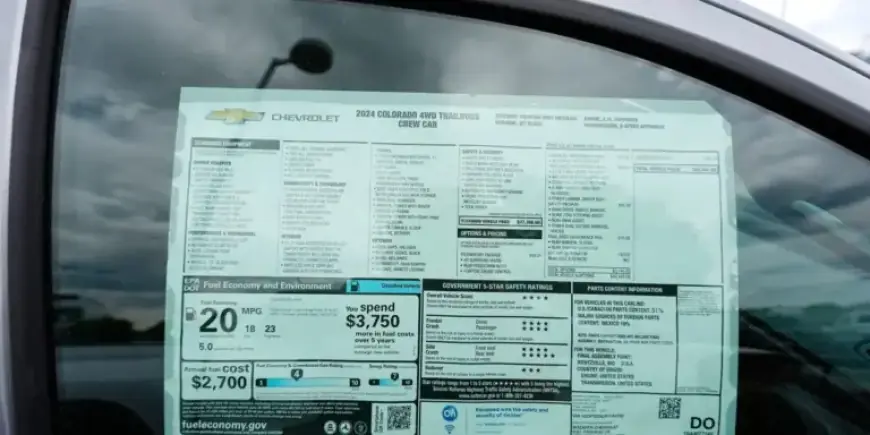
As the American auto market evolves, potential car buyers are grappling with a significant rise in new car prices. Recent trends show a marked shift toward SUVs and pickup trucks, further complicating affordability for many consumers.
New Car Prices Hit Record Highs
The average price of new vehicles has surged to nearly $50,000, reflecting a 30% increase over the past six years. This rise is exacerbated by a 12.6% annual increase in new car prices, as reported by the Labor Department. Monthly payments for car loans have also climbed, averaging $775 based on a 10% down payment and a six-year financing term.
The Shift from Affordable Vehicles
- Only 13% of vehicles are now listed for under $30,000, down from 40% five years ago.
- Longer loan terms are becoming common, with over 12% of consumers opting for seven-year loans, compared to nearly 8% last year.
This trend is changing the landscape of car ownership in America. The economic pressures from inflation are prompting consumers to reassess their purchasing power and financial commitments.
Factors Driving Costs Up
Several elements contribute to the rising costs of new vehicles:
- Automakers favor larger SUVs and pickups, which yield higher profits, while reducing production of smaller, budget-friendly sedans.
- Increased demand for advanced safety features has also contributed to higher prices.
- The COVID-19 pandemic disrupted production, leading to a lasting impact on both new and used car pricing.
Additionally, car insurance costs have skyrocketed by 55% since 2017, while repair expenses have risen by 48%. These changes add to the financial burden faced by average consumers.
Decreased Accessibility for Young Buyers
The number of new car buyers with an annual income below $100,000 has dropped significantly—from 50% in 2020 to 37% last year, indicating growing affordability challenges. In response, some automakers, like Ford and GM, have committed to producing more vehicles priced below $40,000.
The Used Car Market: A Viable Alternative?
As new vehicle prices rise, buyers are increasingly turning to the used market, but affordability remains a challenge. The percentage of used vehicles priced below $30,000 decreased from 78% in 2021 to 69% in February. The average price for a used car has reached approximately $25,000, with monthly payments averaging around $560.
Trends Affecting Used Car Availability
- Consumers are keeping their vehicles longer, with the average age now approaching 13 years.
- A decline in leasing has resulted in fewer off-lease vehicles available for resale.
While used cars can offer a respite from high new car prices, options become limited as demand increases.
Strategies for Budget-Conscious Buyers
Prospective buyers are encouraged to explore strategies to navigate these financial hurdles. Some are opting to purchase vehicles outright to avoid monthly payments, as demonstrated by buyers like Sam Dykhuis, who recently secured a 2021 Mazda CX-5 just above her $20,000 budget.
Ultimately, consumers must adapt to this evolving automotive landscape. The enduring dream of car ownership remains, yet the path to realizing that dream has become more complex amid rising prices and shifting market dynamics.