























Justice Department’s NFL Antitrust Probe May Spur New Regulations

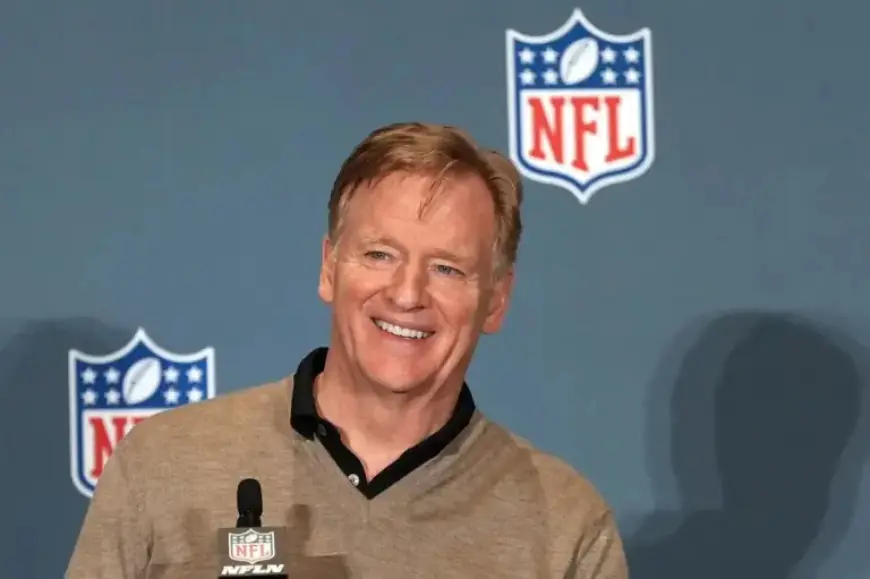
The Justice Department has initiated an investigation into the NFL’s antitrust exemption, a development that could lead to significant regulatory changes. This inquiry follows concerns raised by Senator Mike Lee from Utah, who leads the Senate Judiciary Committee’s subcommittee on antitrust. Senator Lee has urged federal regulators to reconsider the exemption granted to the NFL under the Sports Broadcasting Act of 1961.
Background of the Antitrust Probe
The probe centers on the NFL’s ability to negotiate collectively with broadcasters due to its antitrust exemption. This exemption allows the league to sell television rights in cohesive packages, which has been a lucrative strategy resulting in approximately $23 billion in annual revenue and a total league valuation of around $228 billion.
Reason for Investigation
- Increasing scrutiny of the NFL’s business practices.
- Growing public concern about the league’s embrace of gambling.
- Calls for a review due to changes in media consumption, particularly streaming services.
Senator Lee criticized the antitrust exemption as outdated in a landscape where streaming platforms are gaining popularity. He noted that the NFL now licenses games to various providers, moving beyond the limited scope of traditional broadcast networks.
Financial Aspects of NFL Games
Football fans are spending significant amounts on access to NFL games. Recent estimates indicate that viewers spent nearly $1,000 on cable and streaming subscriptions during the last season. However, the NFL defends its model, asserting that 87% of its games are available on free television, and all games for local teams can be watched without a streaming subscription.
Arguments Regarding Viewer Access
- The NFL argues that broadcasts maintain accessibility.
- Streaming packages offer additional entertainment beyond just NFL games.
- Fans have the option to cancel their subscriptions after the season ends.
Historical Context of Antitrust Exemption
Originally, the antitrust exemption was created to bolster the NFL during its formative years. At that time, the league had limited negotiating power against television networks, and the exemption helped to ensure a competitive balance among teams, particularly those in smaller markets.
Today, with franchise values soaring, and even the lowest valued team, the Cincinnati Bengals, worth over $5 billion, the landscape has drastically changed. The Dallas Cowboys stand as the most valuable franchise, valued at $13 billion.
Future Considerations
Given the NFL’s growing influence and profits, there are concerns about potential arrogance. League executives are aware that the current exemption, created decades ago, could be under threat. This investigation signifies a cautionary moment for the league. It may need to reassess its approach to revenue generation and business practices.
As the scrutiny of the NFL intensifies, the implications of the antitrust probe could spur significant regulatory changes affecting not only the league but the broader landscape of sports broadcasting as well.