






















Insights from Experts on the Recent US Failure

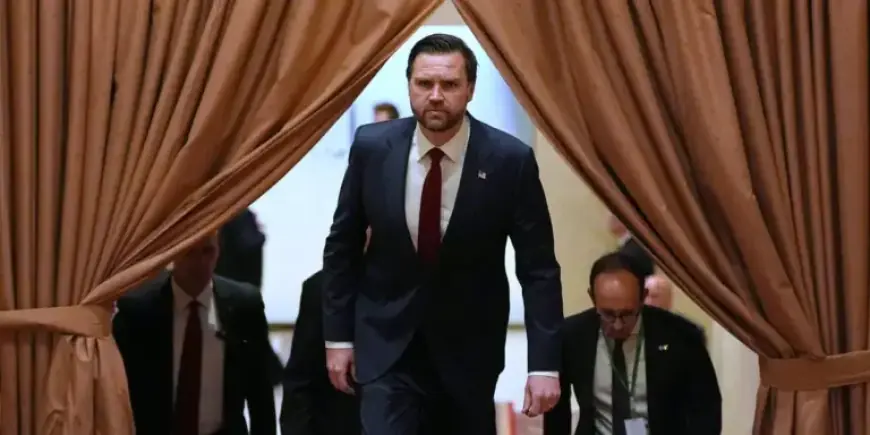
The recent peace negotiations between the United States and Iran have ended without an agreement. The negotiations, which lasted for 21 hours, concluded in Islamabad, as confirmed by Vice President JD Vance. The failure of these talks has prompted President Donald Trump to announce a blockade of the Strait of Hormuz, an essential waterway for global oil and gas supplies.
Implications of the Blockade on Global Markets
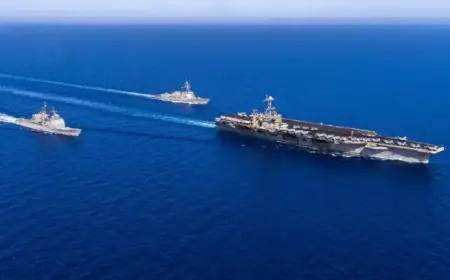
The Strait of Hormuz is a critical passage for approximately 20% of the world’s liquefied natural gas and oil. Following the announced blockade, the energy market is bracing for significant disruptions. The ongoing military conflict, which began in February, has already halted much of the maritime traffic through this strategically important strait.
Expert Opinions on the Situation
- Patrick De Haan, head of petroleum analysis at GasBuddy, commented that oil prices will likely continue to increase. He indicated that Iraq’s continued control over the Strait of Hormuz will exacerbate fuel price hikes globally.
- Marko Kolanovic, former chief market strategist at JPMorgan, expressed skepticism regarding the initial peace deal, suggesting its collapse could lead to a substantial increase in oil prices and an imminent market downturn.
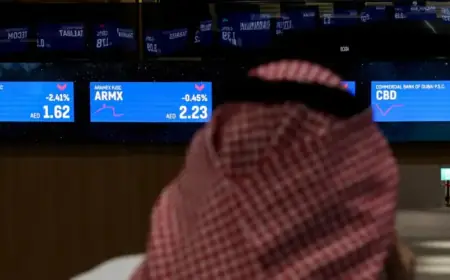
- Kyle Rodda, analyst at Capital.com, emphasized that the market’s response to the failed negotiations will be crucial. The interpretation of the negotiations as a temporary setback or a more severe collapse will significantly impact investor sentiment.
- Charu Chanana, chief investment strategist at Saxo Markets, described the lack of an agreement as a market setback, predicting a decline in risk sentiment and potential for further oil price increases.
- Ron Insana, a former hedge fund executive, elaborated on the anticipated effects of the blockade, warning of a “risk-off” market environment and rising oil prices once futures commence trading.
- Shay Boloor, chief market strategist at Futurum Equities, highlighted that the blockade could trigger significant escalations in global oil flows, forecasting a potential 7% surge in oil prices in the immediate aftermath of Trump’s announcement.
- Don Johnson, economist at Macro Edge Advisory Group, called the blockade the largest supply shock, cautioning against potential military escalation in the region.
Conclusion: The Outlook Ahead
The breakdown of peace talks and the subsequent blockade raises concerns about stability in the energy markets. Experts predict increased volatility and higher oil prices as global markets react to the evolving situation in the Strait of Hormuz. How these developments unfold will be critical for both regional stability and the international economy.