

























Ancient Stone Tools Could Redefine Island History by Millennia

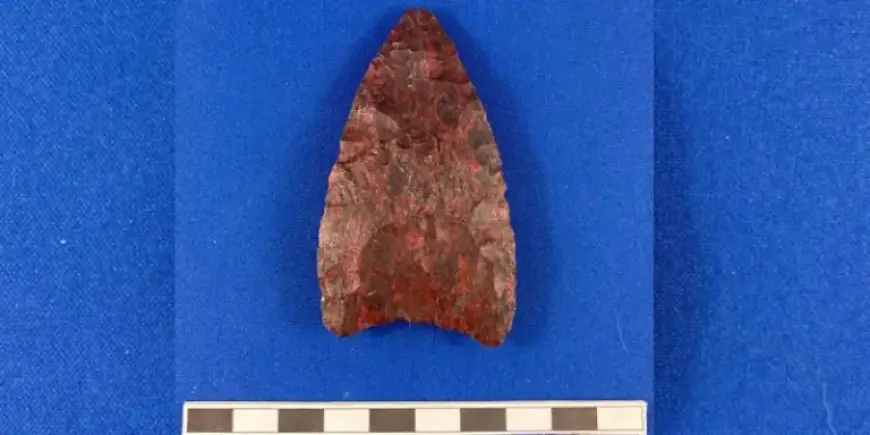
Recent discoveries along the Straight Shore have sparked excitement among archaeologists about the potential presence of Paleo-First Nations communities on the island. This summer, experts plan to investigate the site where a remarkable stone tool was uncovered, potentially pushing back the timeline of human history in the region.
Significant Discovery on the Straight Shore
A member of the Rooms alerted archaeologists last fall about a stone tool discovered by their family member. Initial photographs shared with the Provincial Archaeology Office revealed the artifact as an extraordinary find.
Potential Age and Significance
The stone tool, identified as a fluted Paleo-First Nations point, may date back over 10,000 years. This discovery is particularly notable because the oldest documented Indigenous sites in the province are located in southern Labrador, dating back only 9,000 years.
Planned Archaeological Investigations
The finder has agreed to guide archaeologists to the exact location of the artifact. There are longstanding rumors of similar stone tool discoveries in the vicinity, which adds to the intrigue of this site.
With the upcoming field season, the Provincial Archaeology Office will conduct a thorough investigation to explore the area and uncover more about its historical significance.
Summary of Key Facts
- Location: Straight Shore, near Bonavista Bay
- Artifact Type: Fluted Paleo-First Nations point
- Estimated Age: Over 10,000 years
- Comparison: Oldest-known Indigenous sites in Labrador – 9,000 years
- Upcoming Actions: Summer excavation planned by Provincial Archaeology Office
This potential redefinition of island history highlights the importance of continuous archaeological efforts to understand Indigenous presence in the region. Filmogaz.com will continue to follow these developments closely.