














“Reflecting on the Horde: World of Warcraft’s Iconic Faction’s Disappearance”

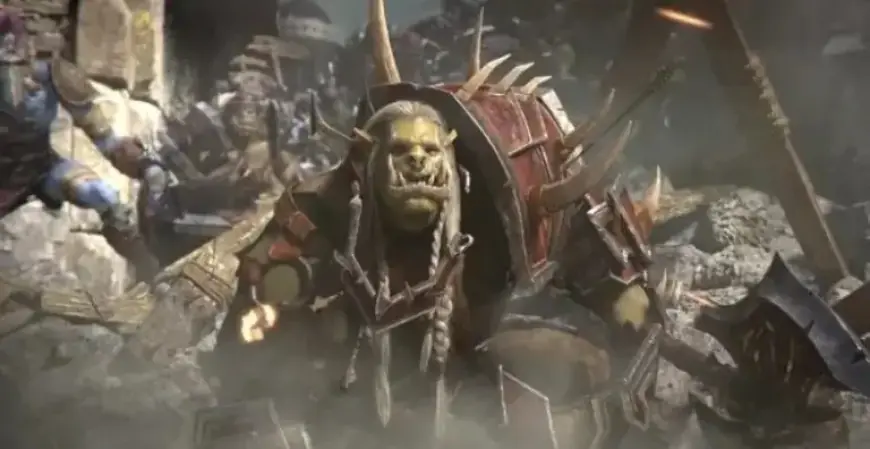
World of Warcraft (WoW) has long been a cornerstone of the MMORPG genre, captivating millions with its rich storytelling and immersive world. However, in recent years, the narrative direction of this iconic game has faced increased scrutiny, particularly regarding the portrayal of its beloved factions, the Horde and the Alliance.
Decline of the Horde in WoW’s Narrative
The Horde, a faction known for its unique characters and layered backstories, has experienced notable sidelining within the game. Playable races like the Orcs, Forsaken, and Trolls, all representing themes of resilience and survival, have seen their complexities diluted. Traditionally, these races forged a bond despite being outcasts in the larger narrative landscape. Their stories provided healing, comfort, and representation, but current trends have led to a homogenization of character experiences.
The Shift in Storytelling Approach
In earlier iterations, players engaged deeply with their chosen factions, driving forward personal narratives that highlighted each race’s lore. Starting zones tailored to individual factions, rich in context and history, allowed players to become immersed in their roles. However, the latest developments in WoW have shifted towards a single-track storyline, stripping away the diverse experiences that once defined the game.
- Loss of Diverse Storylines: Players now choose a race and are funneled into a unified experience, diminishing faction-specific storytelling.
- Short-sighted Cost-Cutting: The strategic move away from in-depth faction narratives has raised concerns among long-time players about the future of storytelling in WoW.
- Lack of Representation: The unique identities that players cherished are being softened to attract a broader audience, resulting in a loss of the game’s edge.
The Community’s Response
Long-time players have expressed their disappointment regarding this trend. The portrayal of iconic factions like the Blood Elves has evolved into a more sanitized version, lacking the fierceness and boldness that initially attracted players. This shift has sparked conversations within the community about the importance of maintaining the unique characteristics that have historically made the game engaging.
- Passionate Engagement: Players have voiced their feelings, urging Blizzard to return to the strong faction storytelling that defined earlier games.
- Emotional Attachment: The narrative loss resonates deeply with players who have invested thousands of hours into the game, shaping their identities through their characters.
Future of Factions in World of Warcraft
The evolution of World of Warcraft’s storytelling has raised critical questions about its future direction. It appears that Blizzard’s current approach favors broad appeal, potentially at the expense of unique faction narratives. The community’s call for richer storytelling and faction depth remains strong, and it is vital for Blizzard to heed this feedback.
As the game continues to evolve, the balance between accessibility and maintaining the rich lore and diversity of its storied factions will be crucial. Ignoring this balance may compromise World of Warcraft’s essence, alienating those who cherish its foundational mythos.
Conclusion
The Horde’s declining presence in World of Warcraft’s narrative serves as a poignant reminder of the importance of representation and complexity in gaming. Players are not just seeking entertainment; they desire depth, history, and an emotional connection with the characters they embody. The ongoing discourse surrounding these changes underscores a collective hope for a return to the immersive storytelling that has defined World of Warcraft for years.