
























Australians Stockpile Groceries Amid Economic Challenges: A Growing Trend?


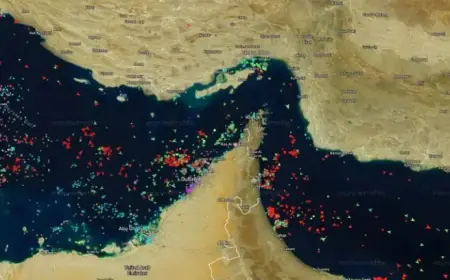
Recent developments have sparked interest in the consumer behavior of Australians regarding grocery shopping and stockpiling amid ongoing economic uncertainties. With global tensions, particularly the conflict in the Middle East, many are questioning whether this trend represents a return to pandemic-era panic buying or a more measured approach to stocking essentials.
Australia’s Grocery Stockpiling Trend
Reports indicate a notable increase in the purchase of non-perishable goods across Australian supermarkets. SPC Global, a key player in the food and beverage sector, highlighted a rise in sales for specific products such as tomatoes, baked beans, and packaged fruit. The company reported increases of 12% to 20% for these items among major retailers during recent weeks of geopolitical instability.
Consumer Behavior Insights
- SPC’s chief executive, Robert Iervasi, mentioned that while there is increased shopping for pantry items, it does not equate to panic buying.
- Customers are simply acquiring an extra tin or two compared to their usual habits.
- The trend in spending aligns with newly released household spending data from the Australian Bureau of Statistics, indicating food expenses rose in February.
Independent supermarket chain operator Ritchies IGA also observed a slight uptick in demand for long-life and non-perishable products. Their CEO, Fred Harrison, noted a rise in toilet roll purchases but clarified that the behavior is not as frantic as during the COVID pandemic.
Government Response and Public Sentiment
In response to the economic climate, the Australian government released a $20 million initiative aimed at encouraging fuel conservation. Prime Minister Anthony Albanese’s address sought to reassure the public amid rising tensions and resource shortages.
Experts like economist Saul Eslake argue that while some stockpiling behavior can be rational on an individual level, it may seem irrational collectively. He suggested that restoring public trust in government could alleviate the urge to hoard supplies.
Despite some increases in grocery spending, analysts like Luci Ellis from Westpac have not found substantial evidence of widespread stockpiling. Instead, there appears to be some pre-purchasing of goods that could be driven by perceived shortages.
Conclusion
As Australia navigates its response to global uncertainties, consumer behavior regarding grocery purchasing reflects a mix of caution and pragmatism. While there is an observable increase in pantry stocking, it is notably less intense than past panic buying episodes. Continuous monitoring of spending trends will be essential to understand whether this behavior persists or reverts as conditions evolve.