
























Fuel Crisis Spurs Sydneysiders to Abandon Cars for Alternative Transport

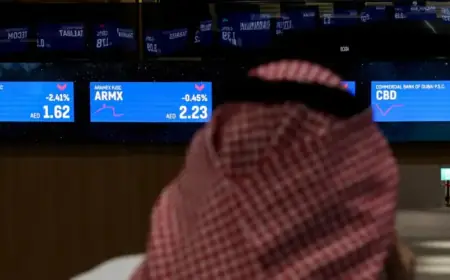
The ongoing fuel crisis triggered by Middle Eastern conflicts has led to significant changes in transportation habits among Sydneysiders. The spike in fuel prices has forced many residents to explore alternatives to driving.
Impact of Rising Fuel Prices
In the past six weeks, the price of fuel in Sydney has surged dramatically, affecting commuters’ decisions. Data from the NSW government’s FuelCheck website shows:
- Unleaded and E10 petrol prices rose from an average of $1.68 in February to $2.20 in April.
- Diesel prices increased from approximately $1.83 to $3.01 over the same period.
Decrease in Car Usage
The significance of these price increases is evident in the reduction of vehicle usage on Sydney’s busiest roads. According to Transport for NSW data:
- Car trips on the Sydney Harbour Bridge fell by 6% since early March.
- City West Link experienced a 7% decrease in traffic.
- Epping Road and Parramatta Road both saw a reduction of around 5% in weekday trips.
This trend began around mid-March, coinciding with the realization that high fuel prices would persist. Traffic on the Sydney Harbour Bridge decreased from 143,510 trips to 134,835 by the end of March. Similarly, Epping Road’s weekday traffic dropped from 71,557 to 68,433.
Increase in Public Transport Usage
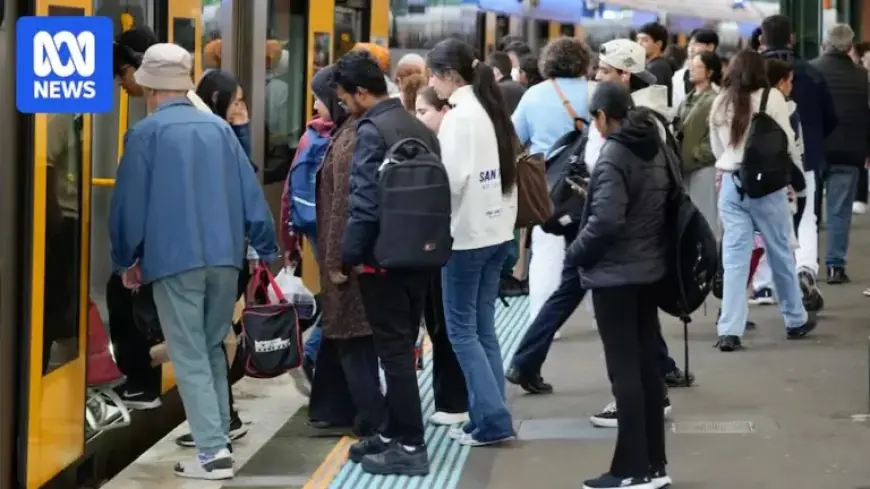
In contrast to the declining car trips, public transport usage has shown a slight increase during this period. For instance:
- The week starting March 23 recorded 2.408 million weekday Opal card trips, a 1.2% rise from 2.378 million the previous year.
- From March 30, another increase to 2.405 million trips was noted, compared to 2.369 million in the same week one year prior, marking a 1.5% rise.
Data also indicates a consistent rise in daily train and metro trips compared to the previous year, showcasing a shift toward public transportation.
Stable Use of Toll Roads
Interestingly, traffic on toll roads remains stable, as reflected in Transurban’s data for the March quarter. The average daily traffic growth was only 0.6%, indicating that those utilizing major toll roads have maintained their travel habits despite rising fuel costs.
Rise in Active Transport
Another notable trend is the increase in active transport modes such as cycling and walking. Cycling statistics indicate:
- The average number of cyclists in Greater Sydney rose by 10.4% since January.
Meanwhile, walking counts at 99 monitored sites demonstrated an impressive 37.69% increase over the last three months. This upward trend is particularly evident on Tuesdays, a peak commuting day.
Conclusion
The current fuel crisis is prompting Sydneysiders to rethink their transportation choices. This shift towards public transport and active alternatives illustrates a broader adaptation to the financial pressures of increased fuel prices.