

























Tax Extension Available as April 15 Deadline Approaches

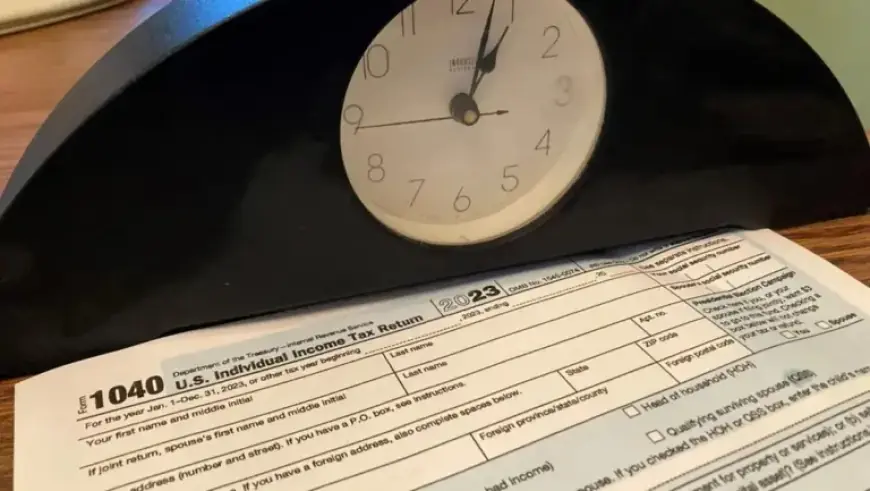
The April 15 federal filing deadline is days away. Taxpayers who need extra time can request a tax extension. The IRS grants an automatic six-month extension until Oct. 15.
How to request more time
Most taxpayers use Form 4868 to apply for the extension. The form is short and needs name, address, Social Security number, and an estimated tax amount.
If you expect no tax due, you may use IRS Free File at IRS.gov/freefile. Mail Form 4868 before April 15 if you file by post. Postal delays can cause late postmarks, so get a hand-stamped postmark or file electronically.
If you owe taxes, submit an electronic payment and select the extension payment type. The IRS will treat that payment as an automatic extension, so you will not need a separate mailed Form 4868.
Filing versus paying
An extension postpones only the filing date. It does not extend the payment deadline. Taxes remain due on April 15, according to Carl Breedlove of H&R Block.
Failing to pay by the deadline triggers penalties and interest. Plan to pay what you can to limit extra charges.
Common reasons to file an extension
File an extension if you lack key documents. K-1 forms from partnerships are a frequent cause of missing information, says Yishai Kabaker of Gursey Schneider LLP.
Filing an extension gives time to gather documents without incurring the failure-to-file penalty. It also preserves the chance to avoid errors from rushed returns.
Penalties and interest
Penalties begin once the filing deadline passes without action. Below is a brief breakdown of common charges.
| Type | Rate | Notes |
|---|---|---|
| Failure to file | 5% per month | Up to 25% of tax owed |
| Minimum late-filing | Greater of $525 or | If return is over 60 days late; lesser of $525 or 100% of tax owed |
| Failure to pay | 0.5% per month | Up to 25%; increases to 1% after notice of intent to seize |
| Interest | Variable | Short-term federal rate plus 3%; compounds daily. Early-year rate was about 7% |
Estimating what you owe
To estimate tax liability, multiply additional income by your marginal tax rate. Add a cushion for unknowns, Kabaker advises.
If you cannot pay in full, apply for an IRS payment plan. Approval notices often arrive quickly after application.
State tax deadlines
State filing rules can differ from federal rules. Some states accept the federal extension, while others require a separate state form.
Check your state tax agency to confirm whether a separate extension is needed.
Special situations
Disaster victims, taxpayers abroad, and military personnel in combat zones may qualify for extra filing time. Confirm eligibility with IRS guidance.
With the April 15 deadline approaching, act now. Filing an extension can buy time. But remember, payment obligations remain due on April 15.