
























Reopening Strait of Hormuz Falls Short in Solving Shipping Issues, Oil Prices

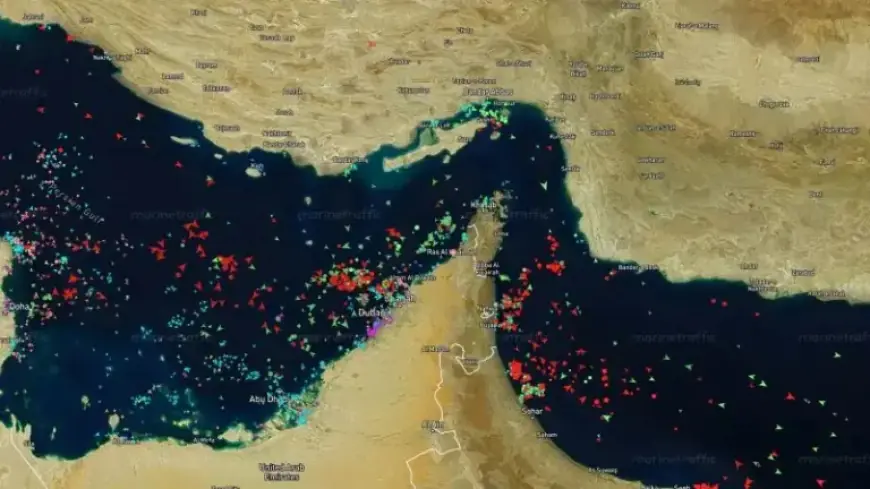
The reopening of the Strait of Hormuz is encountering significant challenges. While the waterway is crucial for global shipping, its full unblocking is not sufficient to resolve ongoing shipping issues or stabilize oil prices. Industry experts suggest that even if the strait opens up for outgoing tankers, the lack of new incoming vessels will continue to hinder the flow of goods.
Challenges in Shipping Through the Strait of Hormuz
The prospect of continued shipping through the Strait of Hormuz is dim. Lale Akoner, a global market analyst at eToro, points out that tankers will be reluctant to enter the Gulf as long as ceasefires remain unsteady. The risk of being trapped in an unstable situation leaves ship owners and insurers wary.
Current Situation of Tanker Movement
- Typically, over 100 oil tankers transit the Strait daily.
- Current movements have dropped to 10 or fewer tankers.
- Around 400 loaded oil tankers are stranded in the Gulf, awaiting exit.
- Only about 100 empty tankers are looking to enter the Gulf.
According to Matt Smith from trade analytics firm Kpler, even if the strait reopens today, it may take until July for oil flows to normalize. The imbalance between outgoing and incoming vessels is evident. The majority of movements are outbound, resulting in a substantial backlog of essential goods.
Impact on Oil and Fertilizer Production
The repercussions of limited tanker movements extend beyond oil. Peter Tirschwell, vice president for maritime and trade at S&P Global Market Intelligence, highlights that around 30% of the world’s fertilizer typically exported from the region is currently trapped. Similar issues plague container ships crucial for food and industrial exports.
Key Statistics and Projections
| Category | Loaded Ships Waiting to Exit | Empty Ships Waiting to Enter |
|---|---|---|
| Oil Tankers | 400 | 100 |
| Container Ships | 100 | Virtually None |
Production of various goods, including crude oil and fertilizers, remains stalled due to the lack of shipping options. Producers depend on immediate tanker availability, which has been significantly disrupted over the last six weeks. Adjusting production capabilities will require time, as will restoring the necessary shipping infrastructure.
In conclusion, the reopening of the Strait of Hormuz presents a complicated scenario for shipping activities. Without a stable influx of empty vessels, the anticipated benefits will likely prove fleeting. If changes do not occur soon, shortages and elevated prices in oil and other essential goods will persist for months, impacting both local economies and global markets.