





















High Voter Turnout Anticipated as Hungary’s Parliamentary Election Begins

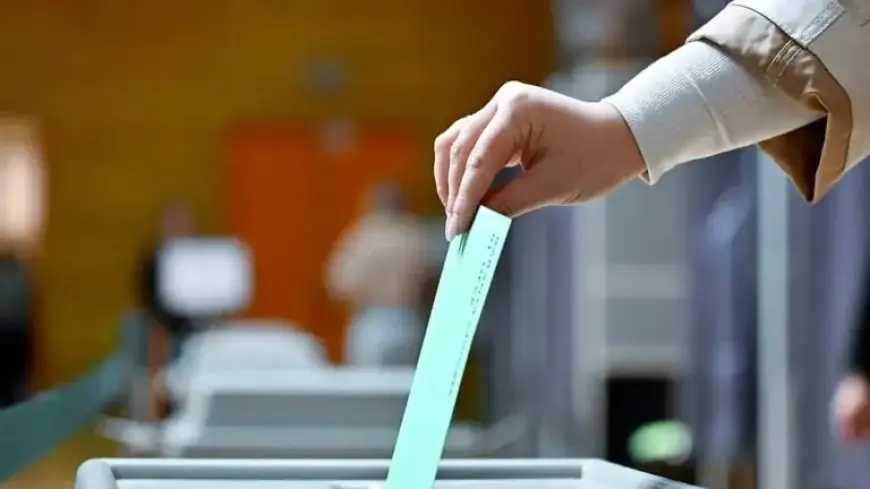
A high voter turnout is anticipated as Hungary’s parliamentary election commenced early Sunday morning. Approximately 7.5 million citizens are registered to vote in this pivotal election.
Record Turnout Figures
Voting began at 6 a.m., and by 7 a.m., 3.46% of eligible voters had already participated. This marks a significant increase from 1.82% reported four years ago. By 9 a.m., turnout rose to 16.9%, up from 10.3% in the last election.
By 11 a.m., nearly 38% of voters had made their way to polling stations, setting a new record for morning voting activity in Hungary.
Comments from Political Leaders
Prime Minister Viktor Orbán, leader of the Fidesz party, cast his vote in Buda. He expressed satisfaction with the turnout, emphasizing its importance for democracy. “The more people who participate, the better,” he stated.
Péter Magyar, president of the Tisza Party, which serves as the primary opposition, also voted in Buda. He stated that a high turnout and an orderly election could favor his party’s chances for victory. “If this election is conducted calmly and legally, then Tisza, and thus Hungary, will win,” he remarked.
Concerns Over Electoral Integrity
Amid concerns about potential electoral fraud, many citizens are motivated to exercise their right to vote. Analysts suggest this apprehension has led to an unprecedented number of registrations. The DE! Action Community has mobilized volunteers to monitor polling places for any signs of malpractice, including possible fraud and bribery.
- Over 1,000 vigilantes are expected to actively monitor the elections.
- Motorcycle patrols will follow transport vehicles to document any fraudulent activity.
Áron Tímár, head of the DE! Community of Action, stated that careful screenings have ensured that volunteers cover various areas effectively.
International Oversight
As part of ensuring transparency, around 900 foreign observers have registered to monitor the parliamentary elections. Their presence aims to bolster confidence in the electoral process.