
























Trump Aides Blunder in Iran Conflict Sparks Inflation Surge


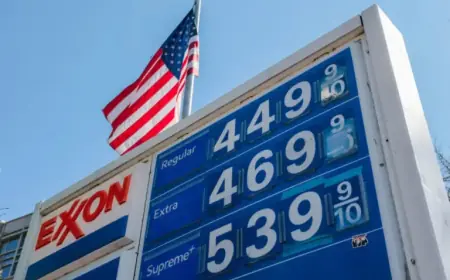
Recent statistics reveal a significant rise in inflation, primarily driven by soaring energy costs linked to the ongoing conflict with Iran. The U.S. Bureau of Labor Statistics (BLS) reported a Consumer Price Index (CPI) increase of 0.9% in March 2026. This monthly uplift was mostly fueled by a staggering 10.9% hike in energy prices, including a substantial 21.2% rise in gasoline costs.
Inflation Surge and Economic Consequences
Year-over-year, prices increased by 3.3% compared to March 2025. This marks the steepest annual inflation rate observed since April 2024. Concerns have emerged over the lack of preparedness from the U.S. Treasury Department to mitigate the economic fallout from the conflict.
Government Oversight and Inaction
Senator Ron Wyden, the leading Democrat on the U.S. Senate Finance Committee, disclosed that an adviser to Treasury Secretary Scott Bessent admitted to a lack of awareness regarding any preparatory efforts related to energy markets preceding the war. According to Sriprakash Kothari, an adviser involved with economic policy, no foundational work was undertaken to anticipate the economic repercussions of the military conflict before its commencement on February 28, 2026.
- Cost to American taxpayers from the Iran conflict: over $30 billion.
- Total increase in gasoline expenses for U.S. drivers: over $8 billion in one month.
Wyden criticized the Treasury’s inadequate planning, emphasizing that the current affordability crisis was foreseeable and had been warned by intelligence agencies.
Experts Weigh In on Inflation Impact
Economists have voiced concerns about the implications of rising inflation. Justin Wolfers, an economist at the University of Michigan, indicated that the March inflation data reflects the immediate economic impact of the Iran conflict. The 3.3% inflation rate reported is the highest recorded during Trump’s presidency.
Stagnant Wages Amid Rising Prices
Heather Long, chief economist at Navy Federal Credit Union, highlighted a critical issue: wage growth is being outpaced by inflation. With wage growth at 3.5% and inflation at 3.3%, many households are experiencing financial strain.
Elizabeth Pancotti, managing director at Groundwork Collaborative, warned that the repercussions of the war will extend beyond fuel prices, predicting further price increases for summer vacations, groceries, and electronics as supply chains continue to be disrupted.
Political Reactions and Public Sentiment
The Republican Party attempted to put a positive spin on the situation, noting that core inflation, which excludes food and energy costs, came in lower than anticipated. However, this was met with public backlash, as many constituents argue that core inflation is inconsequential in the face of surging energy prices.
As the conflict with Iran continues to unfold, the economic ramifications are being felt by everyday Americans, raising questions about the future of inflation and overall economic stability.