






















Iran Conflict Drives Up Prices at Independent Supermarkets

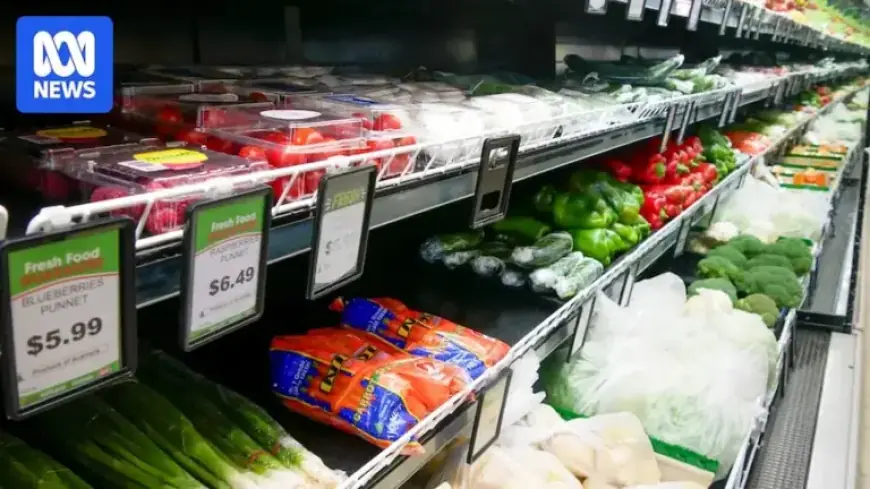
Independent supermarkets in Australia are feeling the strain as rising costs threaten grocery prices. The economic pressure is largely driven by recent trade disruptions in the Middle East, leading to increased fuel and fertilizer prices. These surges affect farmers and suppliers, who are passing their costs onto retailers.
Impact on Supermarkets
Among the retailers facing these challenges is Drakes Supermarkets, a prominent independent chain operating in South Australia and Queensland. John-Paul Drake, the company’s director, reported that supplier fees have escalated significantly due to rising fuel prices. He noted, “Suppliers have been looking at making sure their costs are covered.”
Responses to Rising Costs
- Drakes Supermarkets has opted not to pass these increases onto consumers.
- The retailer is focused on maintaining stable prices despite the economic pressure.
Drake emphasized the importance of government transparency regarding fuel supplies. He believes that clearer information could help alleviate panic buying and consumer uncertainty. “If we just had some transparency, we might not be in this place where people are panicking,” he stated.
Struggles of Smaller Retailers
Smaller supermarkets are particularly vulnerable to these rising costs. Lincoln Wymer, the director of Master Grocers Australia, shared that many independent retailers have been absorbing higher delivery fees since the spike in fuel prices began weeks ago.
- Minimum delivery costs have surged from $200 to $500, complicating orders for small suppliers.
- Wymer noted that this increase in delivery costs is adding strain to already tight profit margins.
As chief operating officer of the Reddrop Group, overseeing supermarkets in Victoria and southern New South Wales, Wymer has observed a considerable rise in monthly fuel expenses for his primary transport provider. He highlighted that the increase from $20,000 to over $30,000 is unsustainable for retailers operating on slim margins.
Looking Ahead
While the recent cuts to fuel excise provided temporary relief, Wymer expressed concern about the future. He mentioned the challenge of updating price labels due to the uncertainty surrounding fuel prices. “If this continues much longer, I just can’t see how grocery stores can absorb these costs,” he warned.
Independent supermarkets are at a crossroads, grappling with increased costs while striving to keep grocery prices stable. The ongoing situation necessitates both resilience and strategic responses to ensure survival in a challenging environment.