

























U.S.-Iran Peace Talks in Islamabad Collapse, Reports NPR

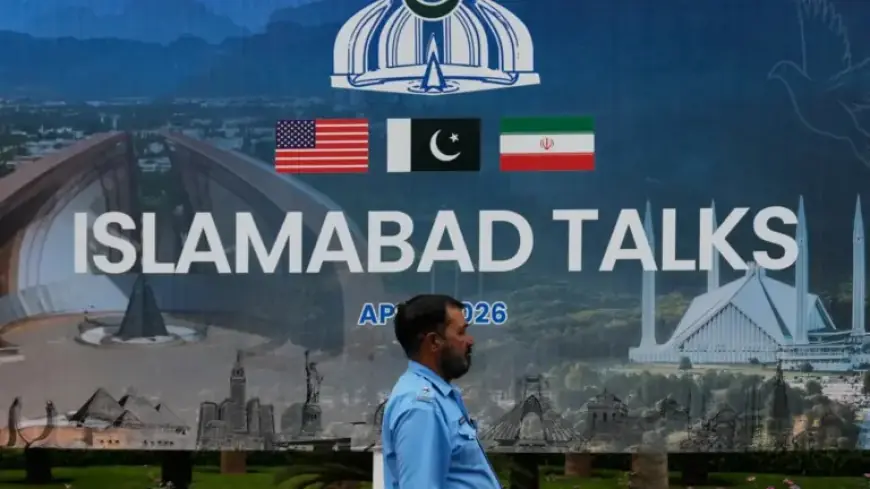
Recent peace talks between the United States and Iran in Islamabad have ended without an agreement. The high-stakes negotiations, which lasted 21 hours, concluded on April 11, 2026, with U.S. Vice President J.D. Vance confirming the breakdown. He stated that Iran’s refusal to accept U.S. terms was a significant factor in the failure to reach a consensus.
Key Points from the Failed Negotiations
During a press conference, Vance highlighted the need for Iran to commit to not pursuing nuclear weapons. He mentioned that the U.S. had presented its final offer, leaving the door open for future discussions.
- Negotiations were the first in-person talks since 2015.
- U.S. demands included limitations on Iran’s nuclear aspirations.
- Iran’s delegation requested the release of $6 billion in frozen assets.
- Israel’s military actions against Hezbollah added tension to the discussions.
Context of the Talks
The talks occurred during a fragile ceasefire in a conflict that has disrupted the Middle East for six weeks. On the same day, Israel claimed to have attacked over 200 sites in Lebanon linked to Hezbollah. Iran’s conditions for peace included stopping Israeli assaults and retaining control over the Strait of Hormuz.
President Trump previously stressed that preventing Iran from acquiring nuclear capabilities is critical for peace. His administration’s objectives also included weakening Iran’s military and facilitating regime change.
The Role of Pakistan in Mediation
Pakistan emerged as a mediator during these negotiations, successfully brokering a temporary ceasefire prior to the talks. This positioning marked a notable shift for Pakistan, as it transitioned from a background mediator to an active player in international diplomacy.
- Negotiations were held in Islamabad, enhancing Pakistan’s diplomatic visibility.
- Prime Minister Shehbaz Sharif played a crucial role in facilitating dialogue.
- Both U.S. and Iranian officials acknowledged Pakistan’s credibility in the peace process.
Military Movements and Strategic Implications
Simultaneously, U.S. Navy destroyers traversed the Strait of Hormuz, marking a strategic military initiative aimed at resuming commercial shipping. This move represents an effort to stabilize the region amid ongoing conflicts.
The failure of these talks underscores the challenges of achieving peace in a volatile landscape, with both parties still seeking a viable exit strategy from ongoing tensions.