























Tribal Gas Stations Cut Fuel Costs Amid Iran Conflict Price Surge

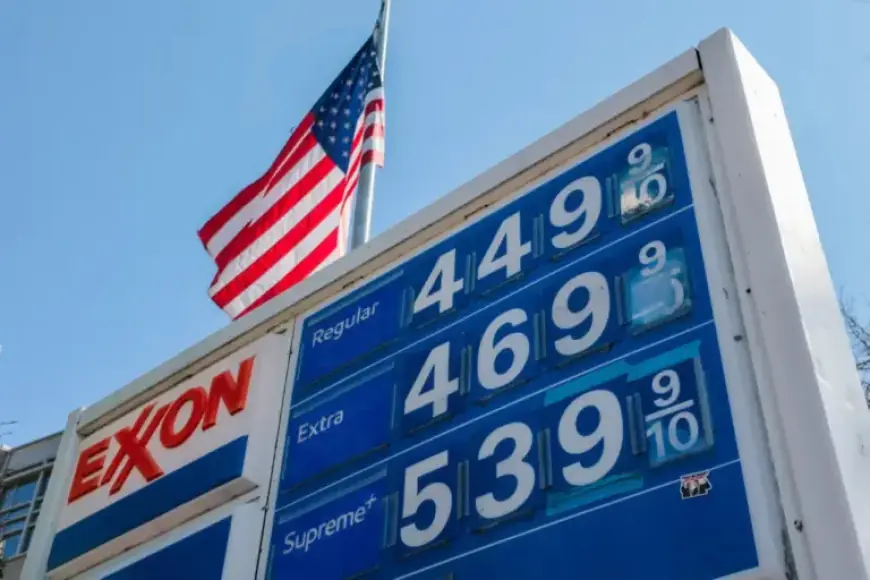
As fuel prices continue to soar due to the ongoing conflict in Iran, many drivers are turning to Native American reservations for relief. Gas prices have been significantly affected since the beginning of the Iran war and average around $4.15 per gallon nationwide. However, some tribal gas stations offer prices significantly lower than those found in cities.
Tribal Gas Stations Offer Lower Prices Amidst Rising Fuel Costs
One notable case is Junelle Lewis, who ventured to the Tulalip Reservation near Seattle. She saved approximately 75 cents per gallon by filling up her Chevrolet Suburban at the Tulalip Market, which charged $4.84 per gallon. Many drivers are finding that tribal gas stations often provide more economical options than city stations.
Gas Prices and Inflation Trends
- Gas prices rose over $1 since the Iran war began on February 28.
- Average gasoline prices reached $4.15 per gallon according to AAA.
- Some areas saw prices exceed $5 per gallon in 2022.
States like California, New Mexico, and New York are home to tribal stations that can sell fuel at lower prices due to tax exemptions. As Native American tribes are often exempt from state fuel taxes, their prices remain competitive.
How Tribes Maintain Lower Prices
Tribal gas stations benefit from various tax exemptions. While tribes must pay federal gasoline taxes, they are largely exempt from state fuel taxes. This exemption enables tribally owned stations to offer lower prices to consumers. Many tribal lands have made significant contributions to community services from gas sales.
- California has 55 tribally owned gas stations.
- In eastern New York, gas prices on the Cattauragus Indian Territory averaged $3.65—50 cents cheaper than nearby towns.
The Broader Economic Impact
Tribal convenience stores with gas stations are not only vital for affordable fuel but also serve as essential sources for groceries and other necessities in areas otherwise considered food deserts. Approximately 496 tribally operated convenience stores exist across the U.S.
Additional revenue streams for tribal businesses come from gaming revenue and other services, which help fund community infrastructure, education, and healthcare. The rising demand for cheaper fuel amid economic hardship has positioned tribally owned gas stations as critical players in local economies.
As drivers like Todd Hall from Oklahoma illustrate, tribal gas stations are not just about fuel savings. They also foster community ties and support local initiatives. The lower prices and community engagement offered by these stations underline the importance of tribal businesses in the current economic landscape, especially amid rising fuel costs due to international conflicts.
In conclusion, Native American reservations offer a viable alternative for drivers seeking relief from high fuel prices, allowing them to save money while contributing to local economies.