






















Court Temporarily Halts ‘Illegal Strike’ Over Snow Crab Pricing Dispute

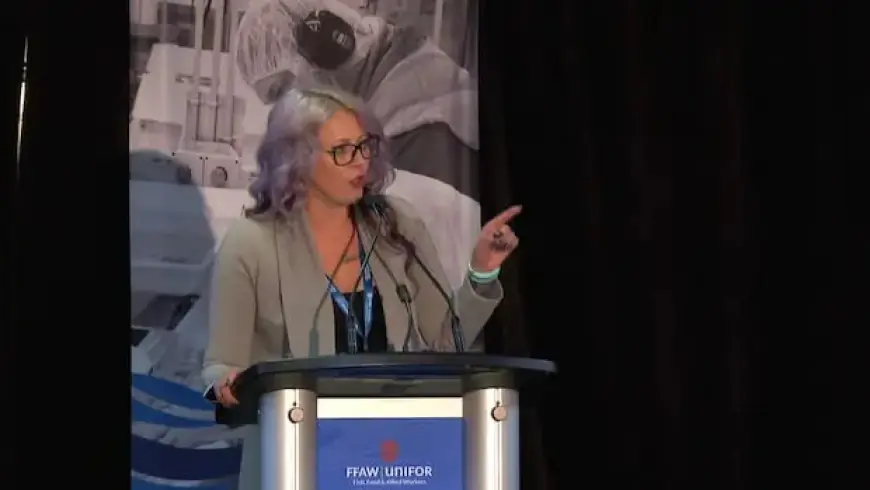
The Fish, Food & Allied Workers union (FFAW) has been temporarily ordered to halt what has been characterized as an “illegal strike.” This injunction was granted by Supreme Court Justice Fonse Faour in St. John’s, Newfoundland and Labrador, on Friday. The ruling came during a legal dispute initiated by the Association of Seafood Producers (ASP) ahead of a scheduled labour board hearing.
Background of the Snow Crab Pricing Dispute
The controversy centers around the pricing of snow crab. The season opened recently with a minimum price set at $5.30 per pound, established by the Standing Fish Price Setting Panel due to a lack of agreement between the two parties. Following this determination, FFAW executives hinted at potential disruptions in crab processing until a “fair” price could be negotiated.
ASP attorney John Samms argued that the FFAW’s declarations hinted at a cessation of business operations. He referred to comments made on social media by FFAW leadership, specifically by President Dwan Street and Vice-President Jason Sullivan, as violations of the Fishing Industry Collective Bargaining Act.
Legal Proceedings and Allegations
Section 19.13 of the Fishing Industry Collective Bargaining Act forbids a fisher from ceasing business dealings. It also restricts bargaining agents from conducting or authorizing votes on business cessation. Samms expressed a desire for the FFAW to comply with existing laws.
Following the injunction, ASP executive director Lorelei Roberts emphasized the need for a stable and cooperative snow crab harvest. She assured harvesters that they should feel free to fish without intimidation from the union.
Responses from the FFAW
FFAW’s attorney, Kyle Rees, countered these claims by stating that it is legal for union members to express concerns, even if such expressions might offend others. Rees highlighted that Sullivan’s social media activities, particularly in a private Facebook group he founded, are not necessarily representative of the FFAW’s positions.
Sullivan suggested online that anyone attempting to fish would face opposition, which the ASP considered a direct threat to operations. Roberts acknowledged the union’s right to advocate for its members, but distinguished this from outright calls for a cessation of business.
Next Steps in Legal Proceedings
As the situation unfolds, the FFAW and ASP are set to appear before the Labour Relations Board on April 21. This hearing will delve into the comments and actions that allegedly breached the Fishing Industry Collective Bargaining Act. Until then, the Supreme Court’s injunction remains in effect, but its applicability may change following the board’s review.
The developments surrounding the FFAW and the snow crab price dispute demand close attention, as they could significantly impact the seafood industry in Newfoundland and Labrador.