























IMF Warns Iran Conflict Causes Irreversible Damage to Global Stability

The International Monetary Fund (IMF) has issued a stern warning regarding the escalation of the conflict in the Middle East, particularly its impact on global stability. This conflict, which intensified with the onset of hostilities between the US-Israel coalition and Iran on February 28, has the potential to inflict long-lasting economic harm across the globe.
Global Growth Forecasts Downgraded
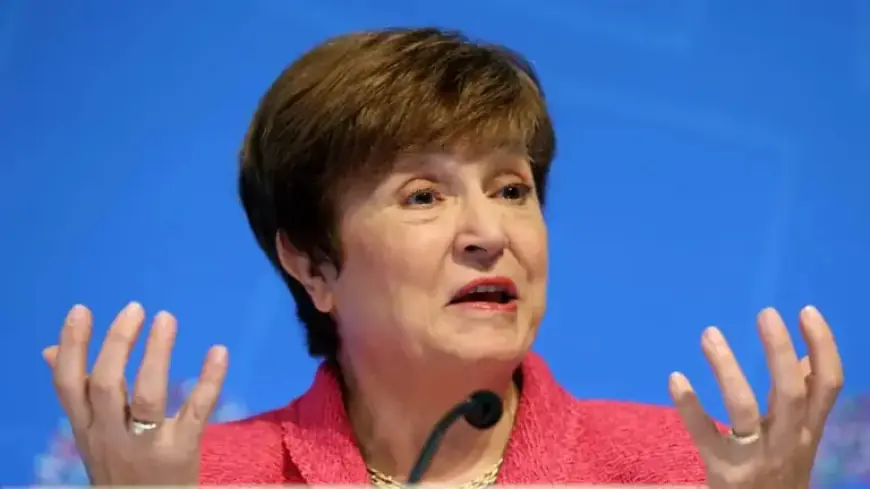
IMF Managing Director Kristalina Georgieva has indicated that global growth forecasts will be revised downward. Even in the most optimistic scenarios, a return to pre-war conditions seems unlikely. Georgieva emphasized that rising energy prices, damaged infrastructure, disrupted supply chains, and diminished market confidence will all adversely affect economic growth.
Emergency Support Measures
- The IMF plans to provide between $20 billion (€17.2 billion) and $50 billion (€42.9 billion) in emergency support to affected countries.
- This financial assistance is conditional on a ceasefire holding.
- At least 45 million people currently suffer from food insecurity as a direct result of the ongoing conflict.
Responses from Global Financial Institutions
Ajay Banga, President of the World Bank, announced that his organization could mobilize up to $25 billion (€21.4 billion) rapidly for affected developing nations. Long-term support may reach as high as $60 billion (€50 billion).
These remarks were made during the annual Spring Meetings held in Washington, which brought together top economic policymakers from around the world.
Impact on the Middle East and Beyond
The conflict has already had tangible effects on the Middle East economy. Excluding Iran, the region’s growth is now projected at just 1.8% for 2026, a decrease of 2.4 percentage points from earlier estimates. The rising oil prices and supply chain disruptions also contribute to an upward revision of global inflation rates.
Consequences of the Conflict
A joint statement from the IMF, World Bank, and World Food Programme outlined the dire consequences of escalating oil, gas, and fertilizer prices, warning that such increases would inevitably lead to higher food prices and increased food insecurity.
- The IMF’s research indicates that economic output in conflict-affected countries may decline by 3% immediately and continue to decrease over time.
- Past assessments have noted that the repercussions of the Iran conflict could ultimately lead to higher prices and slower economic growth worldwide.
As the situation evolves, it remains crucial for the global community to address these pressing challenges to mitigate the far-reaching effects of conflict and to promote stability in the region.