





















World Bank Chief Warns Middle East Conflict Will Slash Growth, Ripple Globally

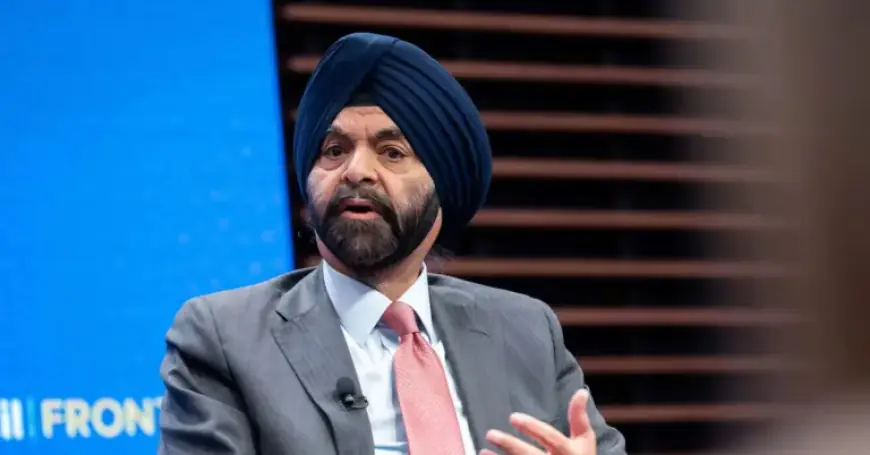
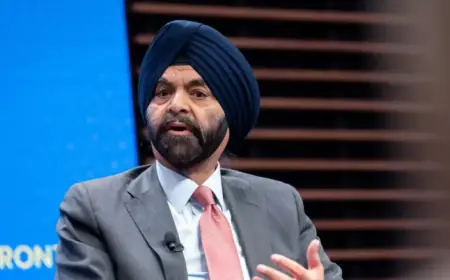
The ongoing conflict in the Middle East poses significant risks to global economic stability, according to World Bank President Ajay Banga. In a recent interview, Banga warned that the impacts of the war could be profound, even if a tenuous ceasefire holds.
Impact on Global Growth
Banga indicated that the war could decrease global growth by 0.3 to 0.4 percentage points under optimistic conditions. If the conflict persists, this drop could reach up to 1 percentage point. Current projections anticipate growth in emerging markets and developing economies at 3.65% by 2026, a reduction from the previous estimate of 4%.
Inflation Rates Surge
Inflation in these economies is now expected to rise to 4.9% in 2026, a significant increase from the earlier forecast of 3%. In a prolonged conflict scenario, inflation could escalate to as high as 6.7%.
- Global growth decrease: 0.3 to 1 percentage point
- Emerging market growth projection for 2026: 3.65%
- Inflation rate forecast for 2026: 4.9% (rising to 6.7% in extreme scenarios)
Disruption of Energy Supplies
The conflict’s ripple effects have propelled oil prices up by 50%, disrupting the supply chains of critical commodities such as oil, gas, and fertilizers. Banga emphasized that any escalation in hostilities could threaten crucial energy infrastructure worldwide.
Crisis Management Strategies
The World Bank is actively engaged in discussions with developing nations to manage the ongoing crisis. Their crisis toolkit offers flexibility by allowing countries to utilize previously approved funds without additional approvals.
Banga advised that countries should avoid creating unsustainable energy subsidies that could worsen fiscal conditions. Many developing nations face heightened debt levels, restricting their capacity to address the rising costs of energy and goods due to the war.
Long-term Energy Solutions
The ongoing crisis highlights the urgent need for nations to diversify their energy sources. The World Bank has lifted its ban on funding nuclear energy projects to meet surging electricity demands. Nigeria, benefiting from a $20 billion investment by the Dangote Group, demonstrates a successful model of energy self-sufficiency.
- Nigeria’s investment in refineries: $20 billion
- Nigeria’s increased output during the conflict
Focus on Renewable Energy
In collaboration with Mozambique, the World Bank is expanding energy production capabilities through natural gas and hydropower initiatives. Banga remarked on the necessity of increasing investment in renewable energy sources, including nuclear, hydro, and geothermal power, to avoid reliance on traditional fuels in the long term.
The potential ramifications of the Middle East conflict necessitate a careful, strategic approach to economic and energy policies that promote stability and resilience in the face of ongoing global challenges.