

























Affordability Economy Shakes Housing Market: Sun Belt Prices Plunge, Rust Belt Soar

The U.S. housing market is currently experiencing a significant shift towards affordability, impacting price trends across various regions. A recent report by the American Enterprise Institute (AEI) Housing Center highlights these changes, showcasing a stark contrast in housing prices between previously booming areas and those now gaining traction.
Key Trends in Housing Prices
According to AEI’s analysis, housing prices across the nation increased by just 1.1% over the twelve months ending in February, marking the lowest growth rate since 2012. This slowdown indicates a reversal from the pandemic-driven price surges experienced in prior years.
Predictions for Continued Decline
The AEI expects prices to decline in the coming months. Projections indicate an average drop of 1% by the end of 2026, with anticipated decreases of 2% in both 2027 and 2028. This trend is compounded by rising inflation, which will further affect homeowners’ returns.
Regional Disparities in Housing Markets
During the pre-pandemic era, from 2013 to early 2020, price appreciation was robust at 5% to 7%. However, post-2020, price escalation soared as low mortgage rates encouraged buyers. For example:
- Las Vegas: Prices jumped from $308,000 to $448,000 (+45%)
- Miami: Increased from $350,000 to $450,000 (+50%)
- Phoenix: Grew from $293,000 to $470,000 (+60%)
- Dallas: Rose from $264,000 to $432,000 (+64%)
- Austin: Surged from $297,000 to $593,000 (+100%)
In contrast, Rust Belt cities like Minneapolis and Cleveland saw only modest gains of 25% to 33% during the same period.
Current Market Dynamics
As of February 2026, the market is revealing a “reversion to the mean.” Reports indicate that 28 of the largest U.S. metros are experiencing price declines. Notably:
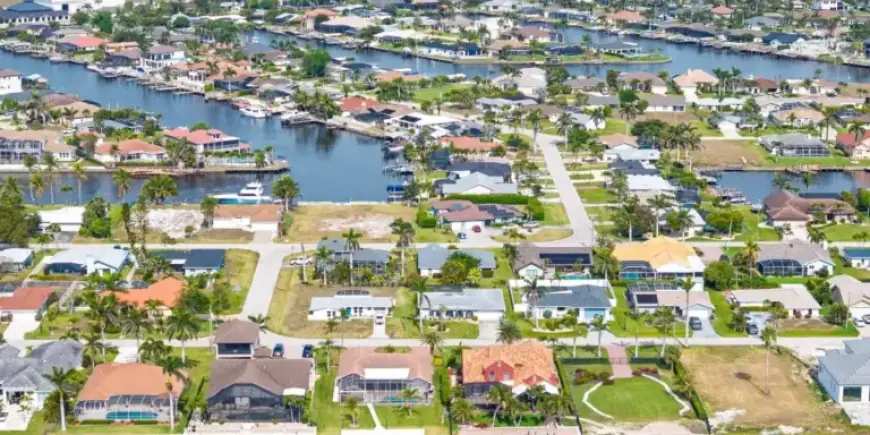
- Cape Coral, FL: Decreased by 9.6%
- North Port, FL: Down by 6.1%
- Memphis, TN: Declined by 5.5%
Conversely, cities in the Rust Belt, such as Kansas City and Cleveland, have seen positive price appreciation, with Kansas City leading at +8.6%.
Supply and Demand Factors
The shift in market dynamics can be largely attributed to an increase in housing supply. Many cities are reporting inventory levels that would take more than seven months to sell at current sales rates, often categorized as a buyer’s market. Major metros with excess inventory include Miami and Austin, highlighting the impact of rising supply on pricing.
The Affordability Challenge
High prices are forcing potential buyers to reconsider their options. Many buyers, particularly first-time homeowners, find markets like Cape Coral and Phoenix increasingly unaffordable. As mortgage rates have risen to around 6.5%, buyers are struggling to manage monthly payments.
Future Outlook
Despite these challenges, there is hope for a return to stability. As conditions normalize, hot markets may once again attract buyers. However, for the time being, affordability remains the guiding factor for many homebuyers across the country.
The ongoing transition signifies an “affordability economy,” where older cities in the Midwest and East are witnessing renewed interest due to their more reasonable housing costs. This shift could redefine the landscape of the American housing market for years to come.