






















White House Alerts Staff to Avoid Insider Trading in Prediction Markets

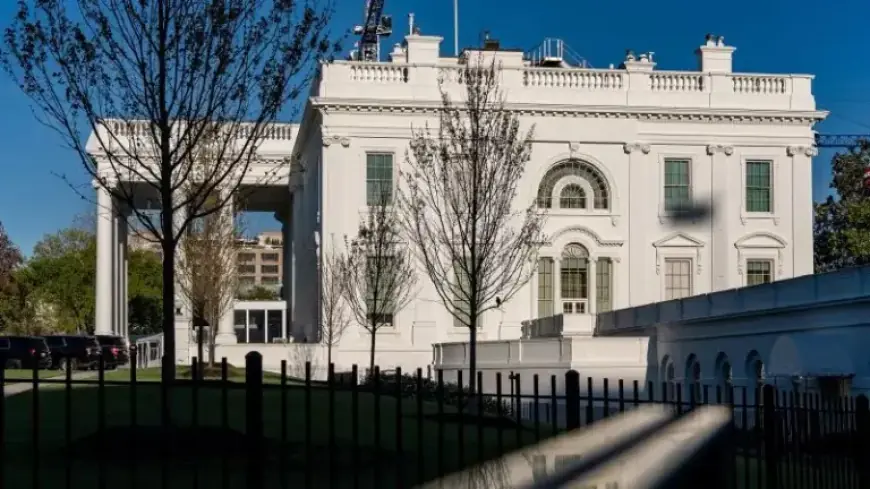
Recent communications from the White House highlight concerns over insider trading in prediction markets. Staff members were cautioned against using nonpublic government information for personal financial gain.
White House Memo on Insider Trading
The March 24 memo raised alarms regarding dubious trading practices, particularly related to the ongoing conflict in Iran. Although no public evidence connects White House officials to these trades, lawmakers have expressed apprehensions about government insiders profiting from such activities.
Key Elements of the Memo
- The memo was issued to all White House employees.
- It cited reports of officials possibly using nonpublic information for wagers.
- The message emphasized that insider trading constitutes a criminal offense.
- Federal ethics regulations prohibit using privileged information for financial gain.
White House spokesperson Davis Ingle stated that all federal employees must adhere to ethics guidelines. He dismissed any insinuation of wrongdoing by administration officials as unfounded and irresponsible.
Concerns About Prediction Markets
Notable prediction markets like Kalshi and Polymarket were specifically mentioned in the memo. Both platforms handle significant trading volumes but have faced scrutiny.
Kalshi and Polymarket Overview
- Kalshi is regulated and does not offer war-related markets directly.
- It recently faced backlash due to markets predicting the tenure of Iran’s supreme leader.
- Polymarket operates without full U.S. regulatory oversight for its international services.
- Experts have called attention to potential insider trading on Polymarket.
The Trump administration had generally supported prediction markets, with the Commodity Futures Trading Commission (CFTC) advocating for their growth. The current CFTC chair, Michael Selig, has retracted prior regulations aimed at banning these markets.
Legislative Actions and Ongoing Oversight
This year, more than a dozen bills have been proposed in Congress to enhance regulation of prediction markets. These proposals aim to strengthen rules against insider trading involving government personnel.
Notably, some of these bills have received bipartisan support. Advocates argue that tightening regulations is essential to combat potential corruption within the government, despite a lack of public evidence linking any specific actions to Trump officials.