

























Artemis II Cameras Captivate Photographers with Historic Images

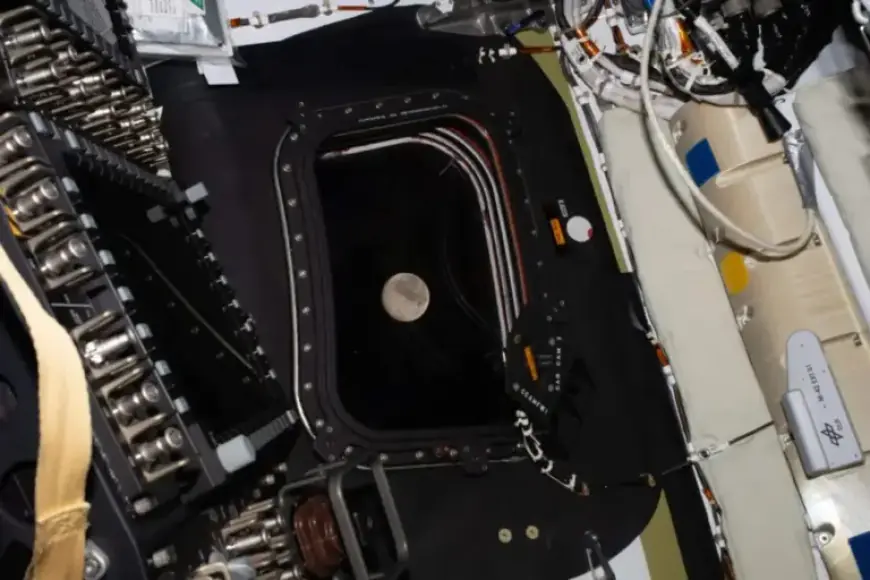
The Artemis II mission has captivated photography enthusiasts, showcasing stunning images from a historic lunar flyby. A notable highlight is the crew’s use of a retired Nikon camera to capture these extraordinary moments.
Historic Lunar Flyby: Key Moments
On April 6, 2026, the Artemis II crew achieved significant milestones during their lunar flyby. Key events included:
- The Earth setting behind the Moon, photographed by the crew.
- The Moon eclipsing the Sun, allowing for dramatic photographic opportunities.
- A seven-hour lunar observation that involved detailed reporting of color nuances.
These activities contributed valuable insights into the Moon’s characteristics and environment.
Captivating Images from the Orion Spacecraft
Images taken from the Orion spacecraft offered a breathtaking view of Earth and the cosmos. Key highlights include:
- Commander Reid Wiseman observing Earth from a window aboard the Orion on April 2, 2026.
- An evocative view of an Earthset, showcasing the transition of light and shadow during the flyby.
- Pilot Victor Glover photographed aboard the Orion during the mission’s critical phases.
Camera Choices for Capturing the Moment
The Artemis II crew utilized a range of cameras to document their mission. Among these were:
- Two Nikon cameras, including the classic DSLR Nikon D5.
- A Nikon Z9, a top-tier mirrorless model favored by professional photographers.
- An iPhone 17 Pro, boasting a 48-megapixel camera for quick shots.
- Several compact action cameras for versatile filming.
The Nikon D5, despite being an older model launched in 2016, provided robust performance. According to Jack Peralta from District Camera, it was a popular choice due to its user-friendly design and solid image quality. Comparatively, the iPhone 17 Pro features advanced technology but highlights the timeless value of traditional cameras in professional settings.
These choices reflect a blend of tradition and innovation. The success of the images captured during the Artemis II mission reinforces the importance of high-quality photography in space exploration.
Conclusion
The visuals produced during the Artemis II mission not only document a significant milestone in lunar exploration but also emphasize the impact of camera technology in capturing the wonders of our universe. As photography continues to evolve, the combination of classic and modern equipment creates a unique narrative in space mission documentation.