























Doctors Thrilled by Artemis II Mission: A Unique Medical Perspective

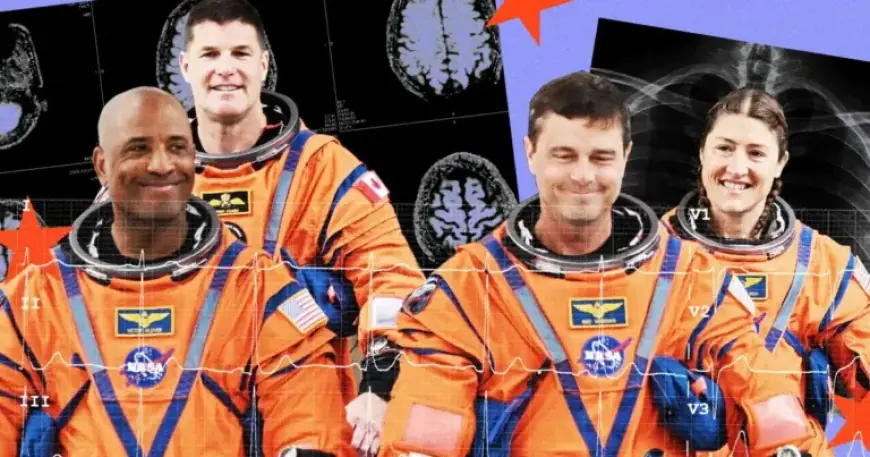
Broad medical monitoring onboard
The roughly 10-day flight carried a wide suite of biomedical studies. Sensors continuously tracked hydration, breathing, cardiovascular status, and radiation exposure.
Each astronaut carried a personal dosimeter. Six Hybrid Electronic Radiation Assessors sat around the cabin. An upgraded German M-42 EXT monitor offered six times the resolution of its Artemis I predecessor.
Artemis I had flown with more than 5,600 radiation sensors. Artemis II expanded biological and environmental monitoring to better define deep space risks.
Wearables and point-of-care tools
Wrist-worn devices monitored sleep, activity, and behavioral performance in real time. Portable ultrasound allowed crew members to image organs without a physician present.
Investigators collected blood and saliva to study immune biomarkers. Saliva was blotted onto special paper booklets because Orion lacked refrigeration.
AVATAR organ-on-a-chip experiment
The AVATAR payload carried organ-on-a-chip devices with living bone marrow tissue. The tissue was grown from the crew members’ own cells.
These small chips rode the same trajectory as the astronauts. Researchers will run single-cell RNA sequencing after splashdown to map gene-level changes.
Results may reshape approaches to radiation therapy, chemotherapy, and personalized medicine on Earth.
Lessons from past and present missions
Medical monitoring has evolved since the 1960s. Apollo-era telemetry measured mainly heart rate and basic metabolism.
Long stays on the International Space Station taught scientists about bone and muscle loss. Bone density declined about 1%–1.5% per month without countermeasures.
Cardiovascular changes included reduced plasma volume and shifts in heart function. These changes can make standing difficult after return to gravity.
Neuro-ocular and immune concerns
Spaceflight-associated neuro-ocular syndrome has emerged as a surprising problem. Fluid shifts toward the head can swell the optic nerve and affect vision.
Immune changes and reactivation of dormant viruses have been observed on long missions. Shipboard microbes also adapt to the flight environment.
Acute medical events and operational implications
In January, NASA astronaut Michael Fincke lost speech for about 20 minutes aboard the ISS. Heart attack and choking were ruled out.
That episode prompted NASA to end the mission early. It marked the first time a medical concern required an early return from a space station.
Such events underscore the need to diagnose and treat independently when Earth is days or months away.
Preparing crews to operate independently
The trend in space medicine favors on-orbit diagnosis and treatment. Artemis II tested tools and procedures to help crews manage health risks without immediate Earth support.
Flight data will inform future missions to the moon and Mars. The crew is scheduled to splash down in the Pacific on Friday evening, and researchers will analyze returned samples and devices.
Voices from emergency medicine
- Dr. Owais Durrani is an emergency physician in Houston. He also advocates for eliminating health inequities.
- Dr. Alaina Rajagopal, M.D., Ph.D., focuses on medicine in remote locations. She is also an inventor and entrepreneur.
- Dr. Robert Glatter is an assistant professor of emergency medicine at Lenox Hill Hospital. He researches medical aspects of space travel and public health policy.
The data from Artemis II provide a more comprehensive view of human adaptation to deep space. Filmogaz.com will continue to follow scientific updates as results emerge.