

























Neil Armstrong’s Moon Landing: A Legacy Casting a Lasting Human Shadow

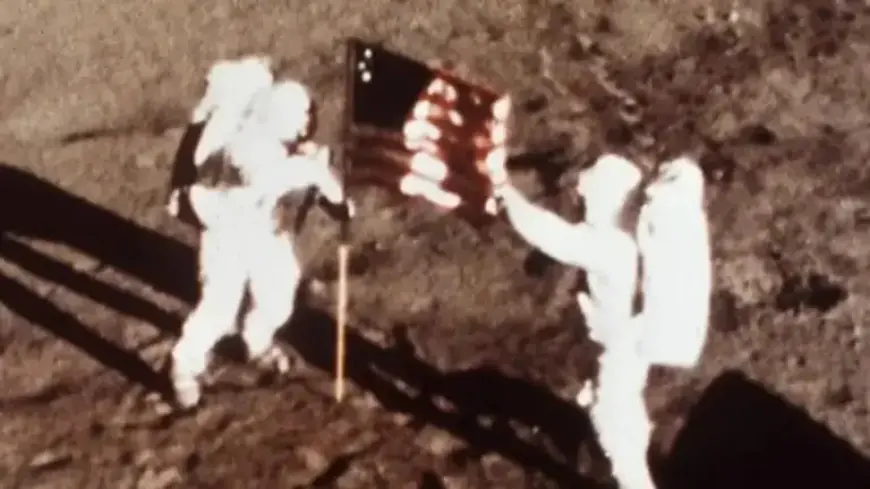
The image of Neil Armstrong stepping onto the Moon in 1969 still frames many memories. A recent reflection contrasts that moment with feelings stirred by Artemis II.
The 1969 Moment and Its Reach
Apollo 11 carried global attention in July 1969. Neil Armstrong and Edwin “Buzz” Aldrin planted the U.S. flag on the lunar surface.
The Moon landing became more than science. It entered living rooms, classrooms, and popular culture.
How the event lodged in ordinary life
Toys and television translated the achievement for children. Plastic rockets and miniature astronauts proliferated in homes.
Families displayed memorabilia. Some kept pictures of President John F. Kennedy. Others placed small silver lunar modules on mantels.
A Toy, a Misremembered Origin
The writer recalled a bouncy space-hopper tied to Apollo-era wonder. That association proved inaccurate.
The hopper, known as the Pon-Pon, predates the Moon landing. It was created by Aquilino Cosani after an early 1960s documentary inspired him.
Artemis II and a Different National Mood
Artemis II returned public attention to lunar missions. The new launch arrived amid a more fraught national backdrop.
The reflection argues this atmosphere shapes how space achievements land emotionally. A launch cannot fully separate from its social context.
Signs of a bleaker civic landscape
The piece cites an America where immigration enforcement appears aggressive. Children have been detained while returning from school.
It also mentions restrictions on visitors tied to social media. Public discourse includes harsh presidential social media rants.
The writer points to rising misogyny and racism as shaping public perception. These factors erode the sense of collective pride once tied to grand projects.
Symbols, Memory, and Meaning
The Apollo boot-print remains a powerful symbol. Its meaning has shifted with changes in national mood.
For many, Neil Armstrong continues to symbolize aspiration. For others, his legacy now prompts debate about what the country represents.
Legacy and lasting impressions
The Moon landing still functions as a cultural touchstone. But its legacy faces new interpretation.
Some recall a time of shared optimism. Others see a more fractured present casting a lasting human shadow over public triumphs.
Conclusion
The Moon is unchanged. Memory and context have evolved. How the nation views exploration now depends on the ground beneath the story.
Filmogaz.com covered this reflection to explore how space milestones intersect with national identity.