

























US-Iran Ceasefire: Is It Already Facing Collapse?

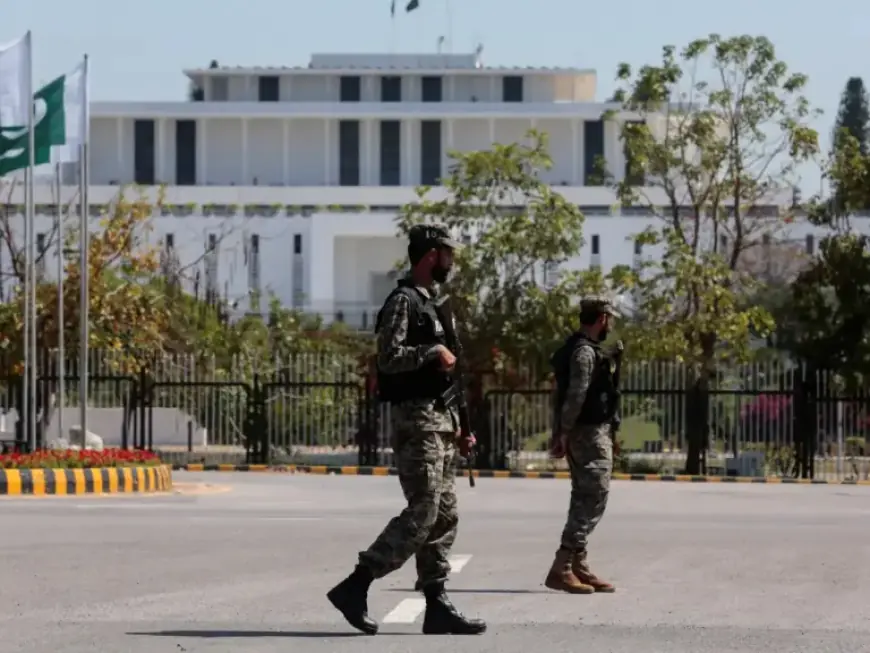
Expectations for the planned talks in Islamabad are low. There is a real risk the meeting will not occur.
Negotiation framework
Washington and Tehran are due to meet in Pakistan. The talks will proceed on Tehran’s 10-point proposal.
That contrasts with a US 15-point plan put forward earlier by President Donald Trump. Observers say the process favours Iran.
Core Iranian demands
- Recognition of Iran’s control over the Strait of Hormuz.
- Acceptance of Tehran’s uranium enrichment program.
- Lifting of all US primary and secondary sanctions, and UN sanctions.
- Withdrawal of US combat forces from the region.
- A comprehensive ceasefire that also covers Israel’s operations in Lebanon and Gaza.
Concessions and signals from Washington
US negotiators have shown flexibility on two central points. They appear to tacitly accept Iran’s authority over the strait.
President Trump described Tehran’s proposal as “workable” on social media. That statement raised questions in Washington.
Strategic stakes and regional reactions
Iran would retain the ability to collect transit fees from vessels during any truce. It could use this leverage to rebuild trade ties.
These ties could extend to Asian and European partners expelled from Iran’s market over the past 15 years.
Political and military concerns
Some in Iran’s security establishment worry that settling short of total victory weakens deterrence. Others view the ceasefire as a political win.
Tehran also links its own conflict to Israel’s actions in Gaza and Lebanon. This link complicates any ceasefire that excludes Israel.
Broader diplomatic implications
The talks have shifted the balance of influence in US-Iran diplomacy. Washington’s ability to dictate terms appears diminished.
Analysts argue that stabilising any agreement may require other major powers, notably China, to play a role.
Possible outcomes
One scenario is a negotiated pause that yields formal commitments. That outcome remains uncertain.
Another likely scenario is a non-negotiated status quo. The US would stay out of a wider war.
Iran would keep leverage over Strait traffic. Israel and Iran might maintain low-level exchanges of fire.
Why failure might still help
Even if the Islamabad talks collapse, the result need not be escalation. Failure could prevent Washington from reentering a costly war.
After a drawn-out conflict, US military warnings no longer carry the same credibility. That reality shapes future choices.
Conclusion
Questions persist about whether the US-Iran ceasefire is facing collapse. The diplomatic path remains fragile.
Whatever follows, the region looks set for a tense equilibrium. Both capitals can still claim partial victories.
Analysis prepared for Filmogaz.com.