




















Hungary Elections: Key Stakes and Their Impact Explained

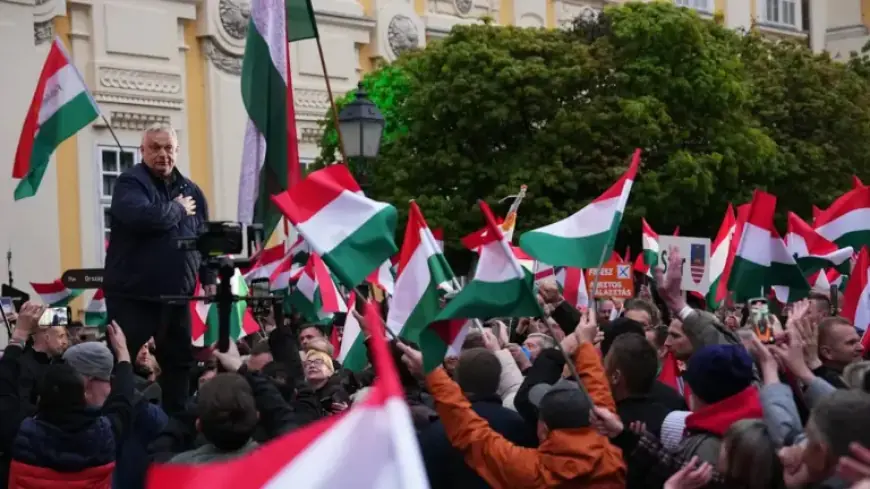
Hungary’s national vote has drawn intense global attention. Polls indicate Prime Minister Viktor Orbán may lose power after more than a decade in charge.
Orbán’s political trajectory
Viktor Orbán co-founded Fidesz in 1988. He rose to prominence after a 1989 speech demanding the Soviet withdrawal.
Orbán first became prime minister at 35 in 1998. He returned to power in 2010 and has governed since 2010.
Domestic changes under Orbán
Since 2010, Fidesz rewrote the constitution and altered the electoral system. Critics say the judiciary and state institutions were reshaped to favor the ruling party.
Public media and state-funded communication expanded dramatically. Reporters Without Borders labelled Orbán a press freedom “predator.”
The challenger: Peter Magyar and Tisza
Peter Magyar leads the Tisza party. He previously spent years inside Fidesz.
Magyar’s rise accelerated after 2024. His platform emphasises inflation, low wages, healthcare, transport, and corruption.
Tisza positions itself as centre-right. Magyar avoids some polarising cultural battles, including Hungary’s anti-LGBTQ+ laws.
Polls and election dynamics
Most polls two days before the vote showed Tisza with a double-digit lead. National polling cited roughly 56% for Tisza versus 37% for Fidesz.
Observers warn the electoral playing field remains tilted. Years of institutional changes complicate translating votes into power.
International alignments and endorsements
Orbán cultivated ties with leaders such as Vladimir Putin, Marine Le Pen, Matteo Salvini, and Geert Wilders. He continued imports of Russian oil and gas.
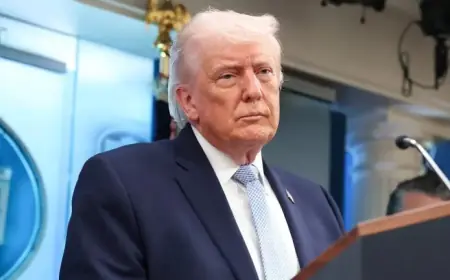
Former U.S. president Donald Trump publicly endorsed Orbán. Trump and Orbán met at the White House in 2025.
U.S. Vice President J.D. Vance visited Budapest on April 7. Vance spoke at campaign events in support of Orbán.
EU relations and financial stakes
The European Union froze billions in funding to Hungary over rule-of-law concerns. Brussels has repeatedly clashed with Budapest on migration and press freedom.
Orbán has blocked some EU measures on Ukraine and sanctions on Russia. His stance has made Hungary a potential hinge in EU decision-making.
Magyar has pledged to seek the release of frozen EU payouts if elected. He would, however, keep opposing certain EU migration agreements.
Allegations of foreign influence
Media reports suggested potential Russian attempts to influence the vote. Russia denied those claims.
Reports also alleged Hungarian officials shared sensitive EU meeting details with Moscow. Polish prime minister Donald Tusk commented on those revelations.
What a change of government could mean
Analysts say a Tisza victory would not instantly reverse institutional reforms. It could, however, ease tensions with Brussels and unlock EU funds.
Observers expect Orbán to contest a defeat using political and legal tools. Experts caution against viewing any outcome as a clean break.
Why this election matters globally
Chatham House experts describe Hungary as a hinge point for EU policies on Ukraine and sanctions. The result could reshape European unity.
International endorsements and accusations highlight the election’s broader impact. The vote will influence relations between Hungary, the EU, Russia, and the United States.
Filmogaz.com reported these developments drawing from recent reporting and public statements surrounding the ballot.