

























Ceasefire Halts Strait of Hormuz Mapping Operations

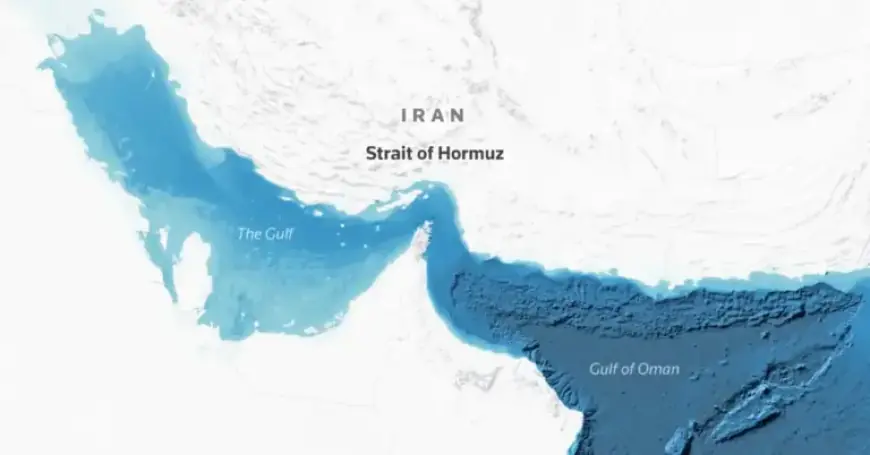
The ongoing conflict surrounding the Strait of Hormuz continues to impact global maritime operations despite a recent ceasefire between the U.S. and Iran. Following the ceasefire announcement on April 8, shipping traffic through this vital waterway has plummeted significantly, indicating Tehran’s assertive control in the region.
Ceasefire and Shipping Impact
Since the ceasefire was declared, only 15 ships have managed to pass through the Strait of Hormuz. In contrast, pre-conflict data indicated that an average of 138 vessels traversed the strait daily. This steep decline is reflected in the broader context, as hundreds of tankers remain stranded in the Gulf due to the ongoing conflict, which erupted on February 28.
- Global oil supply has dropped by 20% amid the unrest.
- Oil prices surged by approximately 50%, severely impacting Asian markets.
Iran’s Control Measures
The Iranian government, specifically the Islamic Revolutionary Guard Corps (IRGC), has implemented strict navigation protocols for vessels. Ships are now advised to navigate a designated route around Larak Island, avoiding traditional shipping lanes that may be hazardous due to naval mine threats.
- Vessels are instructed to enter the strait north of Larak Island.
- Exiting should occur just south of the island.
These guidelines remain in effect until further notice and are enforced by the IRGC’s naval forces. Reports suggest that ships affiliated with Israel and the U.S. face heightened risks and may be turned away mid-transit.
Potential Toll Fees
Speculation has emerged regarding potential toll fees imposed by Iran for passage through the strait. Industry insiders suggest a possible charge of around $2 million per ship. However, Western leaders, including U.S. President Donald Trump, have expressed strong opposition to any tolls on shipping routes. The notion of charging for transit has been met with resistance as the energy crisis escalates worldwide.
Current Situation in the Gulf
With the conflict damaging vital energy infrastructure, the urgency to restore normal shipping operations is growing. Japan has announced an emergency oil release, reflecting the mounting pressures on global energy supply. The timely reopening of the Strait of Hormuz is critical for facilitating the movement of stranded vessels and stabilizing regional shipping activities.
The complex dynamics of the ongoing conflict necessitate careful navigation and heightened awareness amongst shipping companies operating in this pivotal corridor.