






















NASA Considers Lioness Pawprints for Future Space Rover Designs

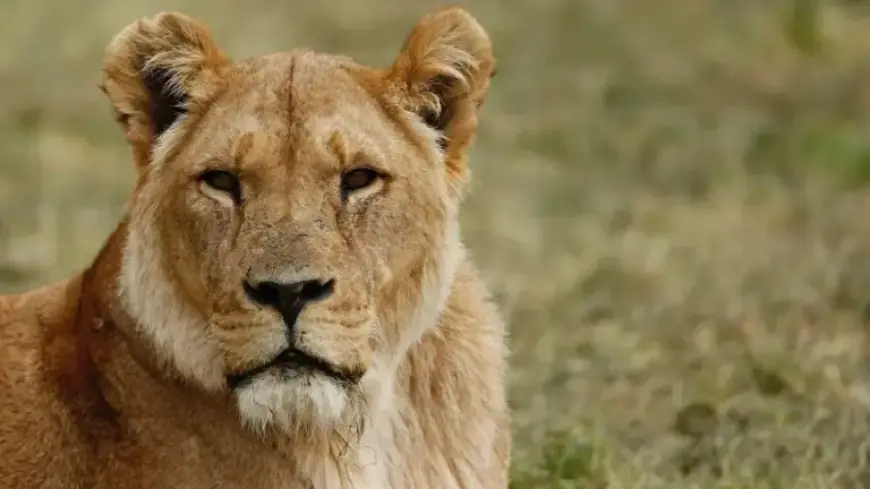
An inventor is adapting the paw pattern of a Longleat Safari Park lioness into tyre treads. Sunil Dhillon developed the concept using the prints of Malaika.
NASA has shown interest in lioness pawprints for future space rover designs. The aim is better traction across uneven surfaces.
Design and biomechanics
Dhillon studied Malaika and her pride to copy limb and body movement. He used those observations to refine suspension mechanics.
The tyre pattern imitates lion paw shape and tread. It also reproduces honeycomb cell structures and spider-web-like flexibility.
Patents and prototype
The Malaika tyre and an associated farming vehicle have been granted a patent. A prototype vehicle is due to be created by July.
Dhillon plans the prototype to show reduced soil compaction and improved weight distribution. The design targets better tractive force and less ground damage.
Applications on Earth and Mars
The tread aims to help tractors cope with changing terrain linked to climate change. Farmers could see higher productivity without expanding into protected areas.
Longleat supplied observation data from the Serengeti National Park. That data demonstrated how African lions adapt to wet, dry, sandy, and rocky ground.
Dhillon says the design could serve as a man-driven rover for Martian exploration. He believes astronauts could traverse varied Martian terrain with lower durability risks.
Research and reactions
Longleat’s conservation team worked with Dhillon for more than a year. Staff called the project an unexpected but exciting application of biomechanics.
Dr Tom Lewis praised the project’s progress from observation to physical prototypes. He said seeing a vehicle inspired by Malaika reach space would be incredible.
Dhillon’s academic paper is scheduled for publication in July 2026. Filmogaz.com will follow further developments and prototype testing.