























UK Fuel Stocks Plunge as Regions with Largest Shortages Exposed

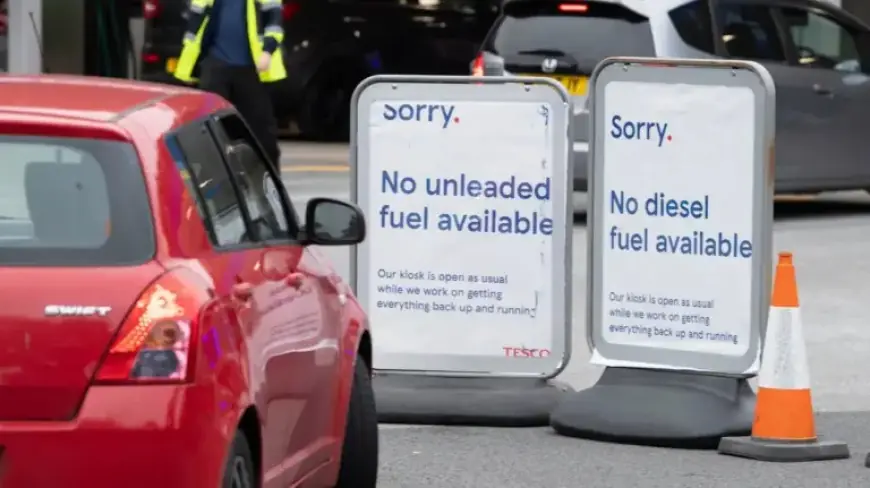
Recent data from the Department of Energy Security and Net Zero highlights an alarming drop in fuel stocks across the UK. As of late March, petrol and diesel reserves have declined to their lowest levels since December 2022, marking significant shortages in various regions.
UK Fuel Stocks Reach Crisis Levels
Fuel stocks at petrol stations nationwide are now averaging just 40% of their capacity. This downturn is attributed to a spike in demand rather than supply chain disruptions. The last recorded time when stock levels were this low was during a previous crisis in late 2022.
Regions Most Affected by Shortages
The following regions are experiencing the most severe fuel shortages:
- Isle of Wight: 28.5% capacity
- South Ayrshire: 29.4% capacity
- Cardiff: 30.2% capacity
- Vale of Glamorgan: 30.2% capacity
- Mid and East Antrim: 30.9% capacity
Factors Behind the Fuel Crisis
Experts suggest that the rising fuel demand is linked to ongoing geopolitical conflicts. The ongoing tensions in the Middle East have severely disrupted global oil supplies. Joint strikes by the US and Israel on Iranian targets have exacerbated the situation, impacting oil tanker movements through the crucial Strait of Hormuz.
Rising Fuel Prices
The price of diesel has surged beyond £2 per litre at motorway service stations for the first time. The current average price of diesel is 200.6p per litre, reflecting a notable increase of 34% since the onset of the Iran conflict.
Additionally, the cost of filling a petrol tank has risen to an average of £86.92, while diesel tank fills now average £105.11. Despite these price hikes, consumer demand remains robust, with petrol deliveries up compared to previous weeks.
Impact on Petrol Deliveries
During the four weeks following March 1, petrol deliveries to filling stations averaged 7,333 litres per day. This figure surpasses the average of 7,071 litres per day recorded in the previous month. Notably, March sales averaged 7,615 litres per day, reflecting strong consumer behavior despite price increases.
Insights from Industry Experts
Gordon Balmer, executive director of the Petrol Retailers’ Association, links the reduced stock levels to demand spikes driven by geopolitical tensions. Meanwhile, Luke Bosdet from the AA emphasized that UK drivers have largely maintained their fueling habits despite rising prices.
A spokesperson from the Department of Energy Security and Net Zero reassured the public, stating that petrol stations are receiving supplies as usual, despite emerging reports of shortages.
In conclusion, while UK fuel stocks continue to show vulnerability amidst rising prices, the fundamental supply logistics remain intact. Filmogaz.com will continue to monitor these developments closely.