























Australia’s Recession Risk: Analyzing Current Economic Data


Recent discussions surrounding Australia’s economic status have intensified, raising concerns about a potential recession. Contributing factors include rising fuel prices, dwindling consumer confidence, and softer spending habits. While the economy has not yet entered a recession, it faces increased risks.
Defining Recession and Current Economic Landscape
A recession is typically defined as two consecutive quarters of negative economic growth. According to this standard, Australia has not entered a recession yet. However, scrutiny of current economic data is essential to gauge future risks.
Backward-Looking Economic Indicators
Australia’s national accounts, which provide a broad overview of economic health, indicate robust performance. In the December quarter, real Gross Domestic Product (GDP) growth was recorded at 2.6%, the highest growth rate in nearly three years. This suggests that economic activity was reasonably resilient as Australia heads into 2026, supported by ongoing demand.
Emerging Signs of Economic Slowdown
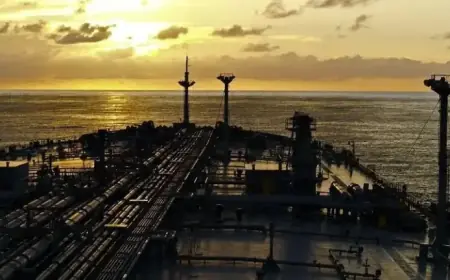
Despite these positive indicators, recent data suggests a potential slowdown. Following the escalation of conflict in Iran, fuel prices surged, contributing to a sharp decline in consumer confidence. The ANZ-Roy Morgan Consumer Confidence survey noted a record low in late March. Although there was a slight recovery in confidence, caution prevails among households regarding the economic outlook.
- Household Spending Indicator revealed a 0.5% decrease in spending in December.
- Business surveys, like the NAB quarterly survey, reflect easing conditions and a drop in business confidence to a 15-month low.
These findings indicate that while the economy is not stalling, it is showing clear signs of slowing momentum.
Contributing Factors to Economic Challenges
Several elements contribute to the prevailing economic challenges:
- Interest Rates: The Reserve Bank of Australia (RBA) has raised the cash rate twice this year, leading to increased borrowing costs.
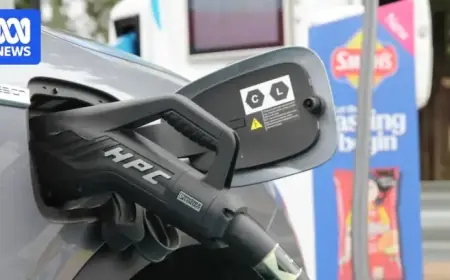
- Fuel Prices: Rising fuel costs are straining household budgets, negatively affecting purchasing power.
- Uncertainty: Businesses are exhibiting caution regarding hiring and investments, as reflected in declining confidence in the NAB survey.
The unemployment rate increased to 4.3% in February, indicating a slowing job market, though it remains low historically.
Potential Triggers for a Recession
While current data do not indicate an imminent recession, they highlight rising risks. A downturn may be triggered by a combination of factors, such as:
- Sustained increases in fuel prices that further diminish household purchasing power.
- Persistently high interest rates that discourage consumer spending.
- A significant decline in consumption as household savings deplete.
- A more substantial deterioration in the labor market.
Conclusion
In summary, Australia’s economy is not currently in recession, but it is experiencing a slowdown. Current economic performance indicators suggest resilience, yet more timely metrics reflect a decline in momentum. The most probable scenario is weak growth rather than a sharp fall. However, the margin for error is narrowing. Future developments in energy prices, household spending, and interest rates will play critical roles in determining whether Australia avoids a recession in the coming months.