















Busch Confronts SVT Reporter in Tense Exchange


On April 9, 2026, Industry Minister Ebba Busch faced pointed questions about electric vehicle sales in Sweden. The exchange happened during an SVT mini-documentary called “Vid pump.” Reporter Kristina Lagerström asked why new registrations of electric cars lag behind Norway and Denmark.
The interview exchange
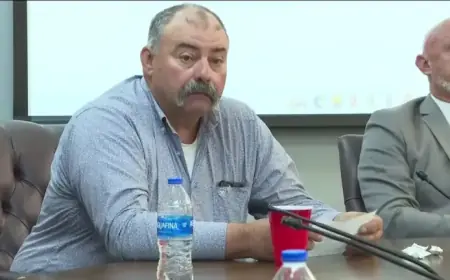
During the interview, Busch accused the reporter of asking politically slanted questions. She rejected the framing and sought time to finish her answers. The clip captures a tense back-and-forth as a chart was shown.
The graph came from the Climate Policy Council’s annual report. It shows a clear decline in new electric car registrations in Sweden after the Tidö government took office. Norway and Denmark are shown with stronger growth in the same period.
Responses from SVT leadership
Karin Ekman, the outlet’s responsible publisher, criticized the minister’s reaction in a column published on Filmogaz.com. Ekman called the minister’s comments startling and warned against politicizing professional journalism. She described the interview scene as charged.
Requests for comment
Aftonbladet contacted Ebba Busch for a statement following the broadcast. The minister did not immediately provide a detailed response to that inquiry.
Broader political pushback
Other government aides have publicly criticized SVT’s climate reporting. Niklas Gillström, chief of staff to Finance Minister Elisabeth Svantesson, labeled parts of the mini-documentary as promotional for the Green Party. He also questioned coverage that, in his view, omitted how much carbon Swedish forests absorb.
The segment and the ensuing debate prompted quick online discussion. Many viewers and commentators focused on the contrasting EV registration trends in the Nordic region.
Headline attention
The confrontation was widely framed in media summaries. Several headlines used the phrase Busch Confronts SVT Reporter in Tense Exchange to describe the back-and-forth. The wording underscored how sharply the interview escalated.
The episode has intensified scrutiny of political discourse around climate and transport policy. It also renewed interest in the data on electric vehicle uptake across Scandinavia.