

























Haiti’s Drug Gangs Exploit Hungry Homeless Children with Food Promises

Altagrace fled her Port-au-Prince neighbourhood after gunmen attacked. Her brother was killed in the violence. She moved with her 14-year-old daughter, Anne, to a displacement camp.
Families live in crowded makeshift shelters. Some rooms hold up to ten people. Camp conditions drive malnutrition and disease.
Violence, displacement and weakened institutions
The assassination of President Jovenel Moïse in July 2021 left a leadership vacuum. Armed groups expanded as weapons flowed into the country. Estimates indicate roughly 85–90% of the capital now falls under gang influence.
About 1.4 million people are internally displaced. Hundreds of thousands have lost jobs, schooling and homes. No national authority currently maintains full control.
Drivers of the crisis
Poverty and weak law enforcement have long plagued Haiti. Covid, fuel shortages and extreme weather worsened inequalities. Courts continue to process cases linked to the 2021 assassination.
Food insecurity and child vulnerability
UNICEF described the situation as the country’s worst hunger crisis. An October report said over half the population faces crisis-level food insecurity. Displacement camps remain chronically undersupplied.
UNICEF warned last year that child recruitment rose sharply. Reported figures show a 70% surge in 2024. About half of armed group members are children, some as young as eight.
How gangs recruit
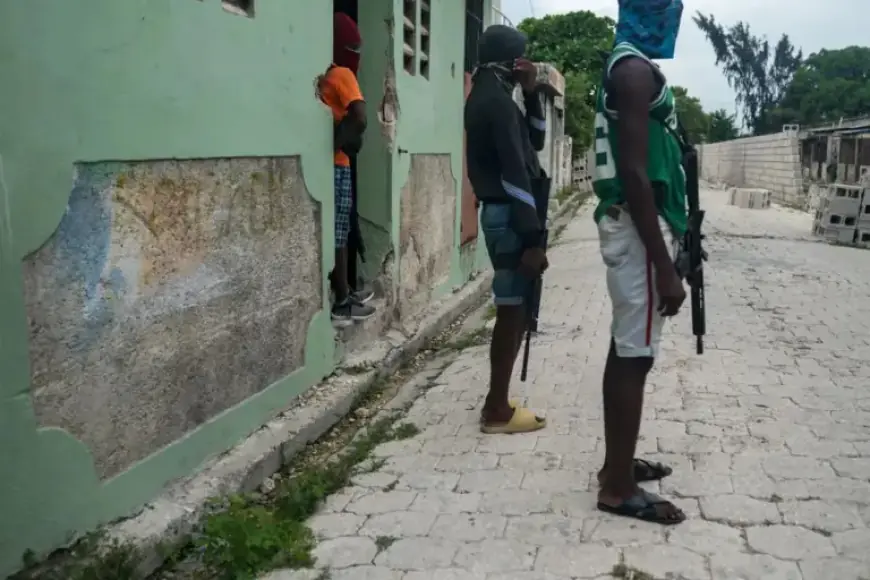
Humanitarian groups report militants target hungry youngsters in camps. Haiti’s Drug Gangs Exploit Hungry Homeless Children with Food Promises, offering meals to attract recruits. Some children are abducted. Others join out of desperation.
UNICEF estimates roughly 1.2 million children live under the threat of armed violence and recruitment. The spokespeople stress the cycle of poverty fuels recruitment.
Charity efforts and community impact
Mary’s Meals, a charity active since 2006, runs school feeding programmes. Coordinators report the crisis is far worse than when operations began. Feeding initiatives aim to keep children in class and away from gangs.
Emmline Toussaint leads a programme in and around Port-au-Prince. She says access to a daily meal increases school attendance. For many families, a single school meal becomes a reason to send children to class.
| Internally displaced people | 1.4 million |
| Children living in fear of violence | 1.2 million |
| Port-au-Prince under gang control | 85–90% |
| Population facing food crisis | Over 50% |
| Rise in child recruitment (2024) | 70% |
Testimony shared with Filmogaz.com describes small signs of hope. Altagrace says school meals ease her worries. She finds comfort in seeing her children eat and smile at school.
Humanitarian groups call for sustained aid and protection. They urge donors and authorities to secure food and safety for displaced children. Without action, recruitment and suffering will likely continue.