



















Transport Canada Invites Canadians to Share Opinions on Vehicle Headlights and Glare

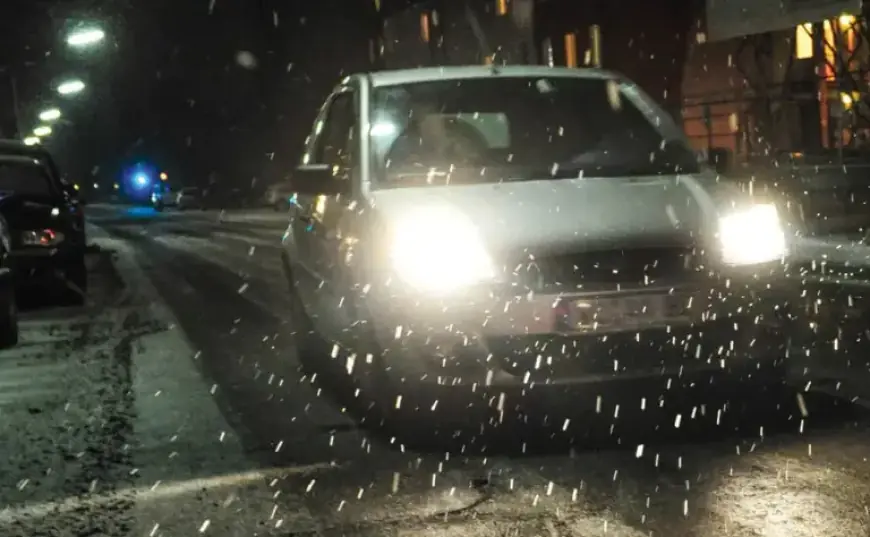
Transport Canada is currently seeking the opinions of Canadians regarding vehicle headlights and the glare they produce at night. This initiative comes through a survey aimed at gathering insights into how headlight glare affects nighttime driving.
Growing Concerns About Headlight Glare
Experts like Daniel Stern, a Vancouver-based authority on vehicle lighting, note that headlight glare has intensified significantly over the years. According to Stern, modern headlights are brighter, emit whiter light, and possess wider beam patterns compared to their predecessors.
Technical Changes in Headlight Design
The shift towards LED technology is a major factor in the increasing glare. Traditional headlight designs utilized glowing filaments or electric arcs, but LEDs now offer different light characteristics.
- Increased Brightness: Modern headlights produce a more intense light.
- Wider Beam Patterns: The spread across the road is greater than in the past.
- Color Shift: Headlights have become progressively bluer over the last four decades.
These changes contribute to a perceived increase in glare, raising concerns for driver and pedestrian safety.
Differentiating Types of Glare
Stern categorizes glare into two types: discomfort glare and disability glare. Discomfort glare is the immediate reaction to bright lights, while disability glare impairs a driver’s ability to see. The former is frequently reported by drivers, leading to significant distraction.
Link Between Glare and Safety Risks
There is an important connection between headlight glare and road safety. Distraction caused by bright lights can lead to delayed reaction times and an increased risk of collisions. Vancouver City Council has recognized this issue, recently urging the federal government to tackle excessive headlight brightness.
- Vancouver City Council: Called for updates to national vehicle safety standards.
- Victoria Councillor: Highlighted accidents involving pedestrians due to glare.
Such motions signify a growing awareness of how vehicle lighting affects public safety.
Engagement Through Survey
The survey by Transport Canada is accessible until April 20 and aims to understand the prevalence and impact of headlight glare among road users. It takes about 15 minutes to complete, covering aspects such as nighttime driving frequency and experiences with glare.
Feedback is essential, and responses remain anonymous. Stern describes the questions as clear and approachable, ensuring that all Canadians can participate effectively.
Regulatory Challenges Ahead
Stern emphasizes that Transport Canada faces difficulties in aligning Canadian regulations with those in the U.S. While U.S. regulators prioritize other lighting aspects, concerns about low-beam glare are often overlooked. The outcomes of this survey will be crucial in addressing these regulatory challenges.
As Canadians share their experiences, the hope is that this feedback will lead to tangible improvements in vehicle lighting standards and enhanced road safety for everyone.