

























Why GLP-1 Drugs May Not Be Effective for Weight Loss

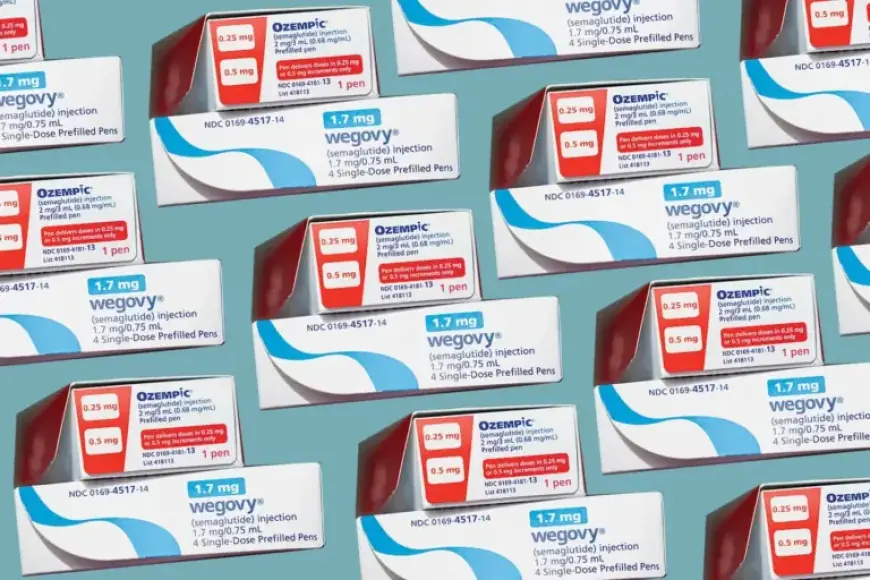
GLP-1 drugs have gained attention for their role in obesity treatment and other related diseases. However, their effectiveness varies significantly among users. While some individuals experience substantial weight loss, others see minimal changes.
Understanding GLP-1 Drugs for Weight Loss
These medications can lead to impressive weight reduction in many individuals. Yet, significant challenges prevent widespread success. Tolerability is a major concern, as some users report adverse effects that lead them to discontinue use.
Variability in Responses
The effectiveness of GLP-1 drugs is not uniform. Data indicates that approximately 10 to 15 percent of users are classified as “non-responders.” These individuals do not achieve a weight loss of at least 5 percent of their body weight.
- Effective for some but ineffective for others.
- Adverse effects can lead to medication discontinuation.
- 10 to 15 percent of users do not meet weight loss benchmarks.
Common Adverse Effects
Users often report unpleasant symptoms, such as nausea and vomiting. These side effects can significantly impact adherence to the treatment regimen.
As research continues, understanding the varying responses to GLP-1 drugs remains crucial. This insight could help tailor weight loss strategies and improve outcomes for those struggling with obesity and related health issues.